Roof repair and replacement in the East Bay.
East Bay Roofers is a referral service for roofing work in the East Bay. Tell us what the roof is doing and where the property is. We check whether an independent roofing contractor covers that address.
Call (925) 722-4916Any quote follows the contractor's own inspection of the roof.
Tell us what is happening.
Give your city and the problem. If water is entering the building now, say that first.
Arrange a look at the roof.
If a provider covers the address, the call is passed on so the roof can be seen in person.
Read the scope before you agree.
The provider inspects the roof, then quotes the work, the materials and the price in writing.
What brings
you here?
Find out what is leaking, what a repair involves, and when replacement starts to make sense.
Compare removal, decking, ventilation and system options before you choose.
See how asphalt shingle, tile and metal differ in weight, cost and upkeep.
The work a roof needs.
Roofing is more than shingles. A repair, a replacement, a gutter run, a skylight and a flat membrane are separate jobs with separate crews and separate questions. Each page below explains the work before anyone gets on the roof.
Repair and storm work
Replacement and new roofs
Price follows scope. Roof size, pitch, the number of layers to tear off, material, access and the condition of the deck all move the number more than the brand of shingle does. A quote written before the deck is seen is an estimate, not a price.
Know what goes
into your roof.
Browse all roofing services ↗
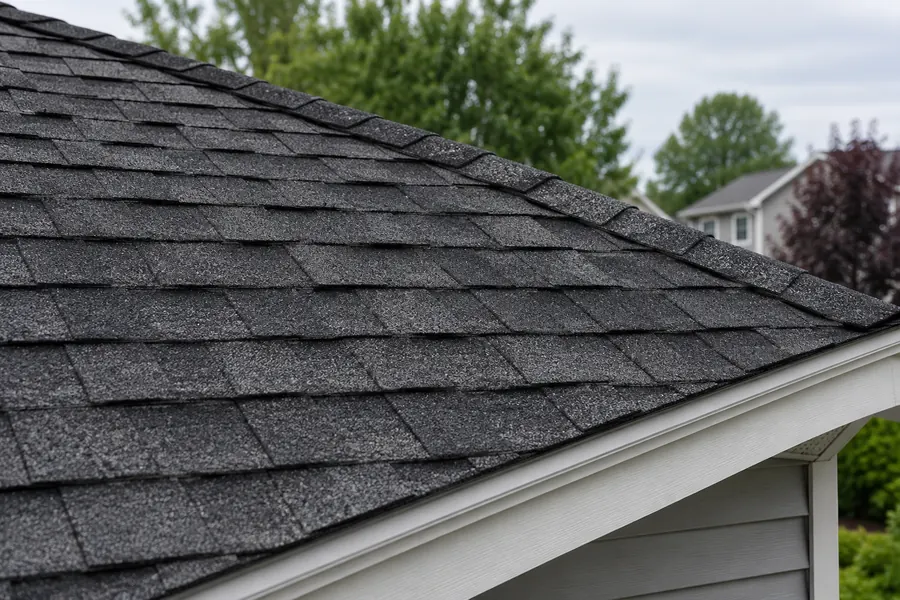 AI-generated illustration, not a completed customer project.
Shingle
Look at the whole assembly rather than the color. Underlayment, flashing and attic ventilation decide how long the shingle lasts.
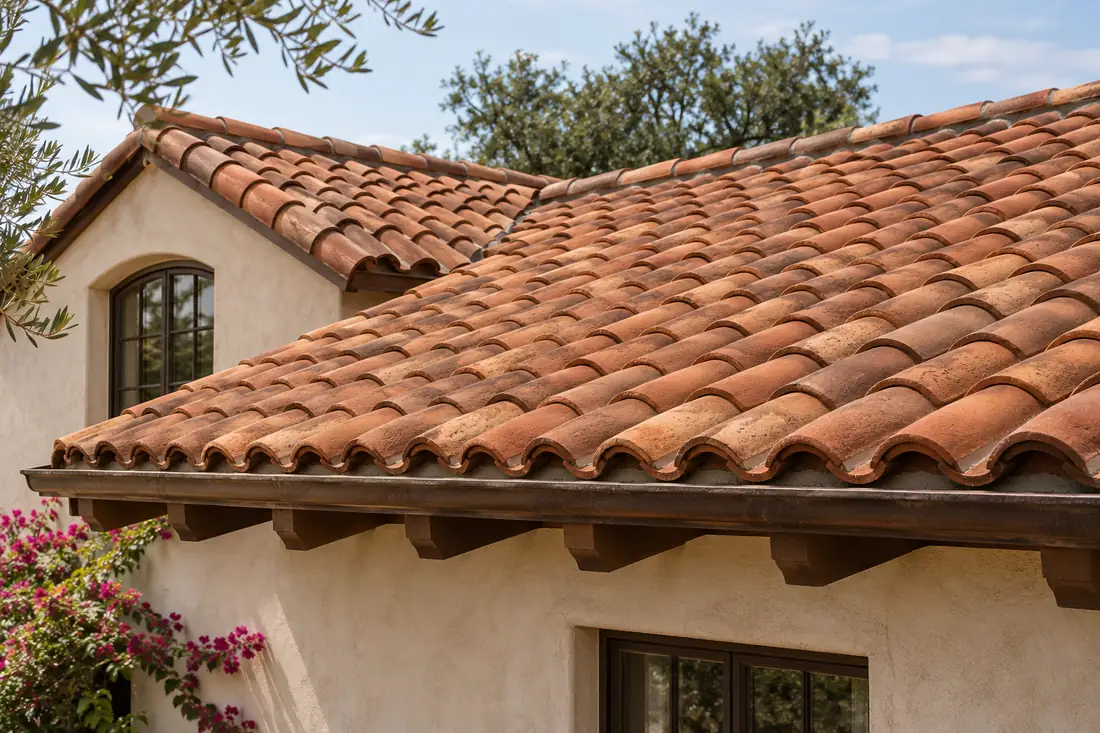 AI-generated illustration, not a completed customer project.
Tile
Ask about cracked tiles, the underlayment beneath them, and whether the framing was built for the weight.
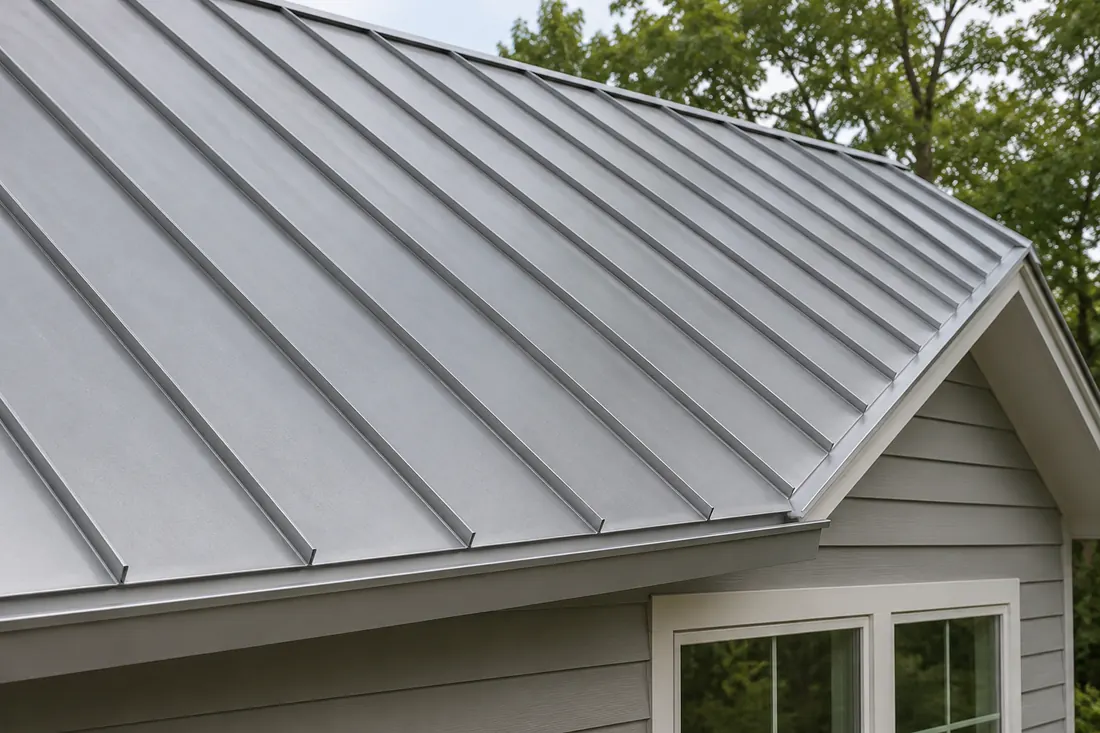 AI-generated illustration, not a completed customer project.
Metal
Compare panel profile, fasteners and finish. Seams and penetrations are where a metal roof leaks first.
The names that show up in a quote
Asphalt shingle and architectural shingle
The commonest covering on East Bay houses. An architectural shingle is laminated and thicker than a standard three tab, so it carries a heavier profile and a longer warranty.
Clay tile and concrete tile
Both shed water well and last for decades, and both are brittle underfoot. The underlayment beneath the tile usually fails long before the tile does, so ask when it was last replaced.
Standing seam metal
Panels are joined with raised seams instead of exposed fasteners, so the seam detail matters more than the color. Aluminum, steel and copper all appear on local roofs, and each behaves differently near salt air.
Slate
Heavy, long lived and expensive to repair. Slate needs framing designed for the weight, and a repair means matching the original quarry and thickness.
Wood shake and cedar
Shakes are split and shingles are sawn. Both weather to gray, both want periodic treatment, and both are treated as a fire concern in wildland areas.
TPO, EPDM, modified bitumen and built up roof
The flat and low slope systems. TPO and EPDM are single ply membranes, modified bitumen is rolled out, and a built up roof is layered with felt and asphalt. A roof coating is a reflective layer rolled over a sound flat roof, which is maintenance rather than a new roof. Fiberglass turns up in shingles and in some flat products.
A roof is a stack of layers.
A quote that names only the shingle leaves out the parts that fail first. These are the layers to ask about, from the surface down.
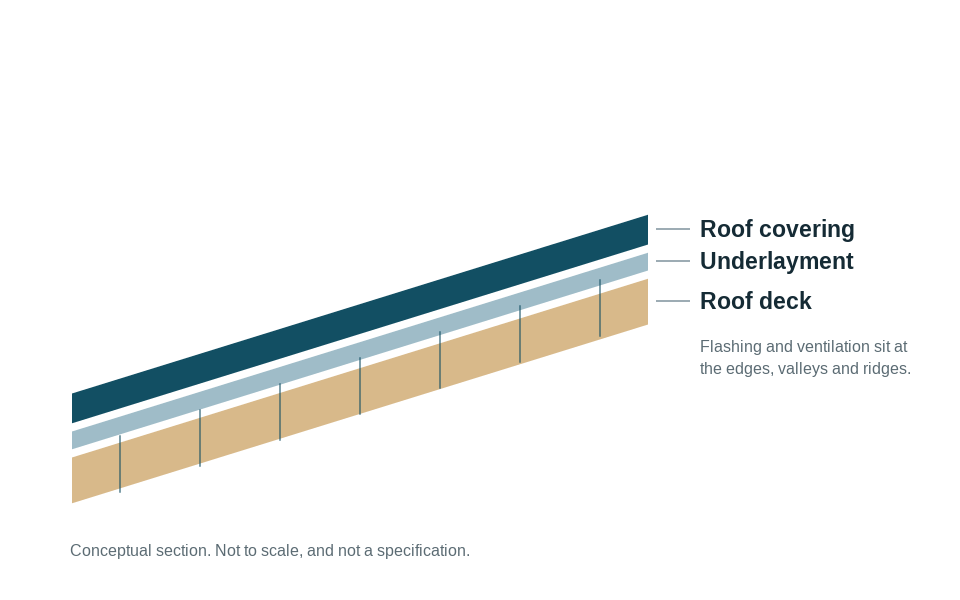
- Roof covering. The shingle, tile, panel or membrane you can see.
- Underlayment. A water shedding layer between the covering and the deck.
- Flashing. Metal at walls, valleys, vents and chimneys, where many leaks begin.
- Roof deck. Plywood or OSB sheathing over the rafters. A soft spot changes the scope.
- Attic ventilation. Intake at the soffit and exhaust at the ridge, which helps keep the deck dry.
- Drip edge and fascia. Metal at the eave that sends water into the gutter and protects the wood behind it.
Who inspects, who quotes, who you pay.
East Bay Roofers is a referral website. We do not inspect, repair or install roofs, and we do not set the price. The work is done by an independent roofing provider.
We may receive compensation for qualifying referrals.
-
You call and describe the roof.
Your city, the material if you know it, and what you have noticed. Mention water entering the building first.
-
We check the address.
If an independent provider covers that city, the call is passed on. If none does, we say so instead of booking the job.
-
The provider inspects and quotes.
The provider gives you a written scope and price before work starts, based on its own inspection.
-
Confirm credentials before any work starts.
Confirm the provider's license and insurance directly with the state board and the insurer, not from a business card.
Start with the city you live in.
Each city page covers the roof types and problems that come up there. Tell us where the property is and what the roof is doing.
Explore service areas ↗A few useful answers.
What should I have ready when I call?
Your city, the roof material if you know it, and a description of what you have noticed. Note when the problem started, whether water is entering now, and where it shows indoors. Photos taken from the ground or from inside are useful. Stay off the roof.
Does a leak mean the whole roof has to go?
No. A leak often starts at flashing, a vent, a chimney or a valley rather than in the middle of the roof. Whether a repair is enough depends on the age of the covering, how far the damage spreads and what the deck looks like underneath. The provider's inspection settles that.
How is repair versus replacement decided?
Three things usually decide it. The age of the roof against its expected service life, the cost of the repair against the cost of a replacement, and whether the damage is local or spread across several roof planes. Tile with failed underlayment underneath is a replacement even when the tile looks intact.
What should a roof quote explain?
The measured area, the materials by name and manufacturer, tear off and disposal, how hidden deck damage will be handled, flashing and ventilation details, the warranty, the payment schedule and the start date. Anything missing from the written scope tends to return as a change order.
Who does the work and who do I pay?
An independent roofing provider does the work and you pay that provider. East Bay Roofers is a referral service and does no roofing work itself. We may receive compensation when a referral leads to a qualifying job. The price you are quoted is the provider's price.
How do I check a roofer's license and insurance?
Ask for the license number and look it up with the Contractors State License Board. Then ask for a certificate of insurance and confirm the dates and limits with the insurer. A certificate that names the property owner as additional insured is stronger than one that does not.
Do I need a permit to reroof in the East Bay?
A full reroof usually needs one, and repairs that touch structure or sheathing often do as well. The rules differ between cities, so ask the provider to confirm the requirement with the building department for that address before work starts.
How long does a replacement take?
Most single family roofs run a few working days once the material is on site. Steep pitches, tile, several layers of tear off and deck repairs stretch that. Weather moves it too. Ask for working days in the quote rather than a calendar date.