TPO Roofing, Single-Ply Membrane & Energy-Efficient | East Bay Roofers
The Modern Standard for Commercial & Flat Roofs
TPO membrane roofing for East Bay commercial & residential flat roofs. Heat-welded seams, 80%+ solar reflectance, Title 24 compliant. $7,000–$16,000..
Call (925) 722-4916 NowTPO Is the Default for East Bay Commercial
Here's Why East Bay Roofers is the East Bay's licensed roofing contractor that commercial building owners and property managers across 38 cities call for TPO membrane flat roofing. Since 1988, we've installed mechanically attached, fully adhered, and induction-welded TPO on commercial and residential flat roofs across the East Bay. From office parks in <a href="/location/danville/">Danville to retail centers in Concord, we deliver the cool-roof performance that Title 24 demands. Drive through any office park in Pleasanton, San Ramon, or Emeryville and look up. Most of what you're seeing is white TPO. It's not because TPO is the fanciest membrane on the market, it isn't. It's because TPO hits the sweet spot where Title 24 cool-roof compliance, heat-welded seam reliability, and installed cost all line up. For a commercial building owner trying to minimize 30-year life-cycle cost, that's the math that matters. We've been installing TPO since the material matured around the mid-2000s. The early formulations from the late 1990s had durability issues, surface cracking, weld failures, accelerated UV degradation, and those jobs are the reason some old-school roofers still side-eye TPO. Modern chemistry solved all of that. The TPO we're rolling out today is a completely different animal than what shipped 20 years ago.
What Is TPO Roofing, Exactly
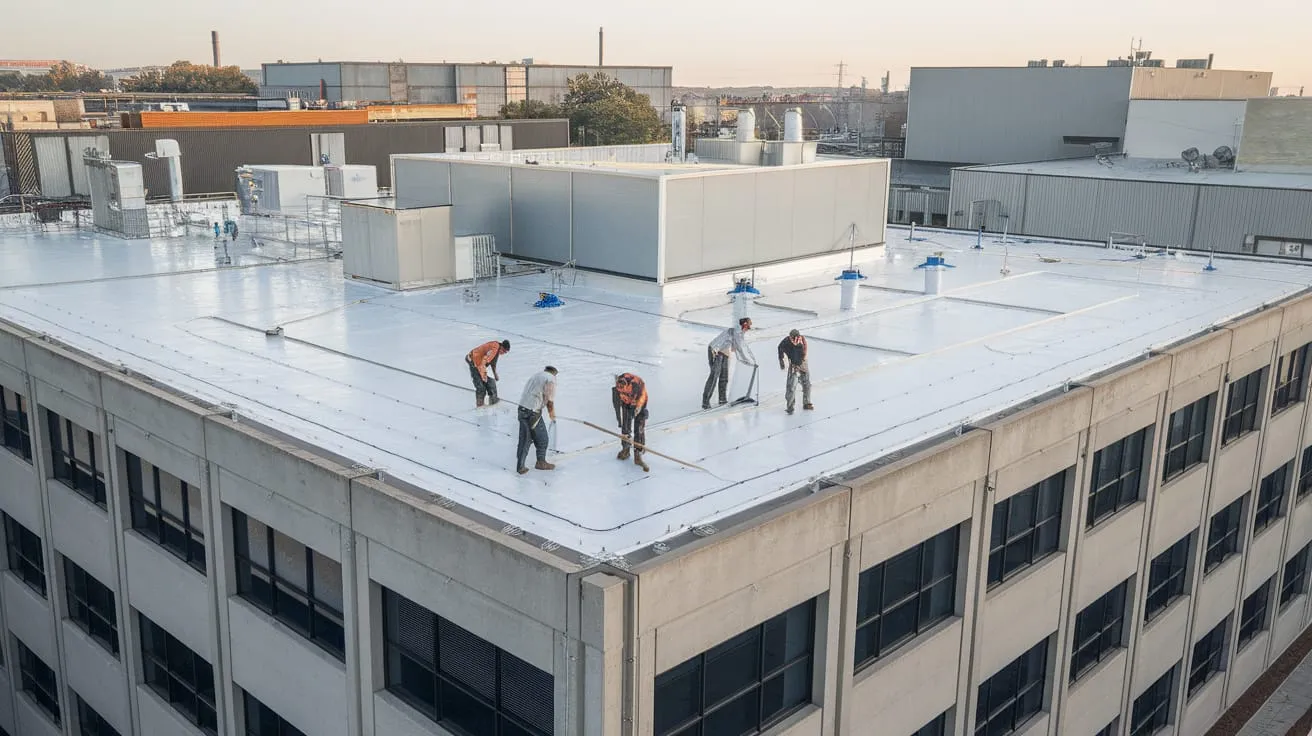
TPO stands for Thermoplastic Polyolefin. It's a single-ply roofing membrane made from a blend of polypropylene and ethylene-propylene rubber, manufactured as a flexible white sheet that ships in rolls 6 to 12 feet wide. On a roof, those rolls get laid out, overlapped, and heat-welded at the seams with a robotic welder or hand iron running at 900 to 1,100 degrees Fahrenheit. The result is a continuous waterproof skin where the seams are actually stronger than the field membrane itself. The ASTM standard is D6878, and every product we install meets it. The white surface is the key feature. It bounces 80% or more of incoming solar radiation, which keeps the membrane itself cool, TPO roofs run 50 to 60 degrees cooler than black EPDM on a July afternoon in Livermore, and that translates directly into lower cooling loads inside the building. That's why California Title 24 loves TPO. It hits the cool-roof threshold without any additional coating, film, or reflective topcoat.
80%+ Solar Reflectance
White surface reflects the majority of solar energy. Roof surface stays 50-60°F cooler than dark membranes on a summer afternoon.
Heat-Welded Seams
900°F hot-air welding creates seams stronger than the membrane. No adhesive degradation, no tape failure, no leak points at laps.
Chemical Resistant
Resists oils, grease, and most industrial chemicals. Ideal for restaurants, auto shops, and manufacturing facilities with rooftop exhaust.
Title 24 Compliant
Meets California's energy efficiency code out of the box. No additional coatings, treatments, or reflective layers required.
When TPO Makes Sense
TPO isn't the right answer for every flat roof. Here's when it is. - Commercial and multi-family buildings where Title 24 cool-roof compliance is mandatory. This is 90% of what we install TPO on.
- Large residential flat sections over 500 sq ft where the cooling savings actually add up.
- Restaurants, auto shops, and manufacturing with rooftop grease exhaust or chemical venting. TPO's chemical resistance handles what EPDM can't.
- Buildings with rooftop solar, white TPO keeps panel efficiency higher because the ambient temperature around the panels stays lower.
- Anywhere you want heat-welded seams. This is the biggest selling point for commercial property managers. Welded seams don't delaminate. Taped and adhesive seams can. When TPO doesn't make sense: highly irregular roof geometries with dozens of penetrations (EPDM handles complex shapes better), very small residential sections where the cost of mobilizing a welder doesn't pencil out, and any situation where patching is going to be the primary repair strategy. Honest reality, TPO beats EPDM for UV and heat, but it isn't as repair-friendly. Budget full replacement, not patching, when it eventually comes time.
Brands and Product Lines We Install
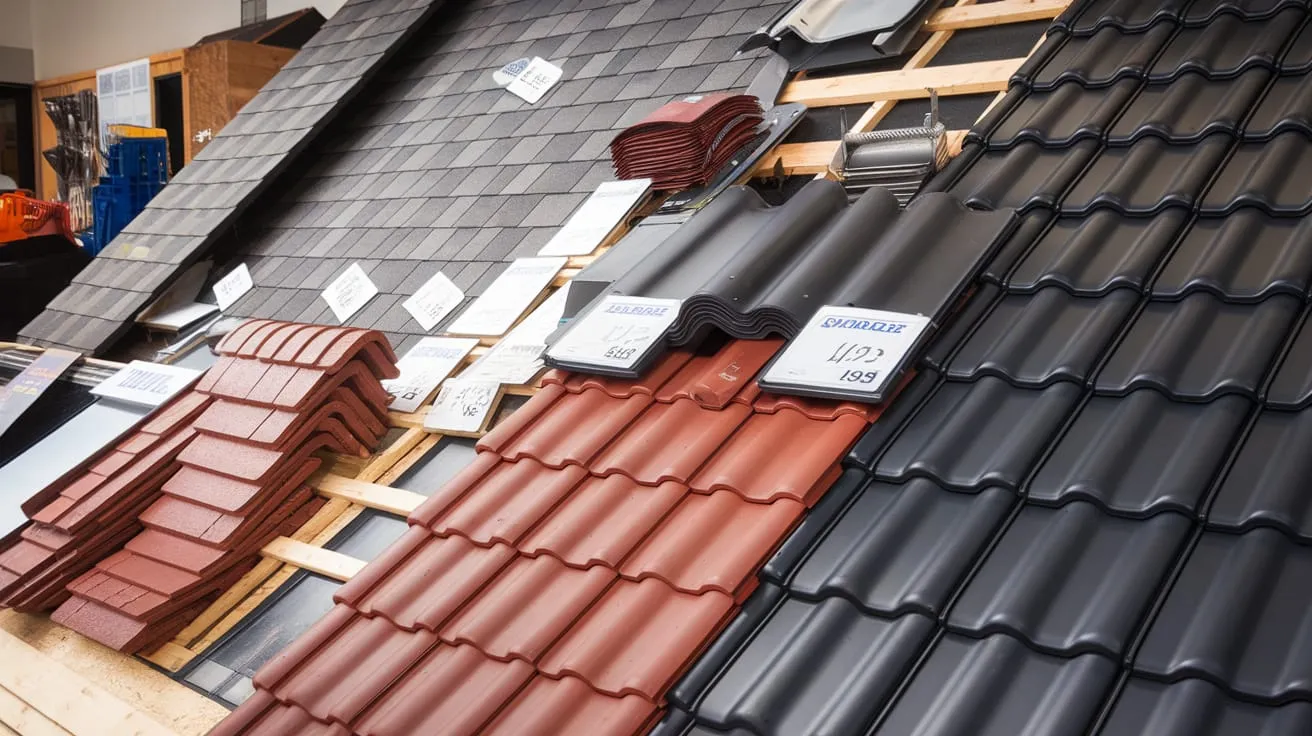
- Firestone/Holcim UltraPly TPO, 45, 60, and 80-mil.
The original mass-market TPO, now under Holcim after the 2022 acquisition. Still the same product, still the same warranty.
- GAF EverGuard TPO, 45, 60, 80, and extra-thick 115-mil. As a , we can write Golden Pledge warranties on EverGuard that most contractors can't touch.
- Carlisle SynTec Sure-Weld TPO, the installer favorite. Carlisle's detail accessories (vent boots, corners, edge metal) are the cleanest in the business.
- Johns Manville JM TPO, 50, 60, and 80-mil. JM makes the polyiso insulation and the membrane under one roof, so you can run a single-source Peak Advantage warranty on the whole stack.
- Versico VersiWeld, Carlisle's value-tier sibling, same chemistry, different pricing.
Installation Methods
Mechanically attached. Membrane laid over polyiso insulation and fastened to the deck with screws and barbed plates along each seam overlap. The field of the membrane floats between fastening rows, accommodating thermal movement. Fast to install, lower labor cost. Best for steel and concrete decks in moderate-wind conditions.
Not our pick when design wind pressure exceeds 90 mph. Fully adhered. TPO bonded across the entire bottom surface to the cover board with manufacturer-approved adhesive, usually a bonding adhesive or a low-VOC water-based. No billowing, no flutter in the wind, maximum uplift resistance. Labor-intensive but dramatically better performance for high-wind exposures and long-term warranty coverage. This is what we install on most residential and high-value commercial jobs. Induction-welded (RhinoBond). Special plates attached to the deck, then an induction machine welds the membrane to the plates from above without any penetration through the sheet. Zero holes in the field membrane. Premium performance, premium price. Available from Carlisle and Firestone.
The Full Stack A TPO roof is a system, not just a sheet
. Here's every layer: 1. Deck, plywood, OSB, metal, or structural concrete. Must be dry and sound. 2. Vapor retarder (when required) on cold decks or high-humidity interior spaces. 3. Polyiso insulation, rigid boards, R-6 per inch, tapered to create slope where needed. Minimum R-20 total under Title 24 for conditioned low-slope roofs. 4. Cover board, DensDeck Prime or high-density wood fiber. Required for fully adhered systems. Protects the polyiso from fastener shear and foot traffic. 5. TPO membrane, 45, 60, or 80-mil. We rarely install 45-mil unless it's a residential garage with no traffic. 6. Flashings, uncured TPO at penetrations, pre-formed vent boots where they fit, custom-welded details where they don't. 7. Edge metal, extruded aluminum or galvanized drip edge, gravel stop, or coping cap at parapets. 8. Walkway pads at HVAC service points.
Code Requirements
TPO falls under CRC R905.13 and ASTM D6878. Minimum thickness is 40-mil under code, but we default to 60-mil because 45-mil puncture-wise is too marginal for anything seeing traffic. Title 24 requires initial solar reflectance ≥ 0.63 and thermal emittance ≥ 0.75 on low-slope roofs over conditioned space, white TPO meets both without modification. Chapter 7A Class A fire rating is required in Wildland Urban Interface zones, and a properly detailed TPO assembly over cover board with fire-rated insulation hits Class A. Title 24 Part 6 also dictates minimum insulation R-values depending on climate zone (Concord and Walnut Creek are Climate Zone 12; Oakland and Berkeley are Zone 3).
East Bay Cities Where TPO Works Best
TPO is what we install across Emeryville, downtown Oakland, downtown Berkeley, Pleasanton and Dublin office parks, San Ramon business campuses, Concord and Walnut Creek retail, Richmond industrial, and Fremont manufacturing.
It's the default commercial spec in every one of those markets. For residential, we install TPO on Berkeley Hills mid-century moderns, Oakland hills contemporaries, and large flat additions across Lafayette, Moraga, and Orinda.
Let's Talk About Your TPO Project
If you've got a commercial building, multi-family property, or a residential flat roof that needs a TPO system, call East Bay Roofers at (925) 722-4916.
We're C-39 licensed and we've been installing single-ply flat roofs in the East Bay since 1988. We'll quote it, pull the permit, and get it done right.

What TPO Roofing Includes
TPO is heat-welded, so the quality is in the preparation. Deck repairs come first: bad plywood or osb replaced, underlayment down over the field. Membrane seams are welded with a heat gun, not glue, no mastic smears, no caulk beads that dry out in a season. Perimeter and penetration flashing gets reinforced: drip edge metal at eaves, fascia capping at edges, vent boot collars at pipes. We check the deck meets building code for slope and live-load before welding. All old membrane, ballast, and debris go to the dumpster, TPO scrap is recyclable and we separate it.
Roof System Details
Beyond the visible work, every tpo roofing project on a roof touches the same system-level details. Valleys are flashed with corrosion-resistant metal so the heaviest water flow stays off the deck. Ice dams are addressed at the source, ice-and-water shield in the eaves and lower field plus balanced ridge vent and soffit vent airflow keeps the deck temperature even, so snowmelt doesn't refreeze at the eave and push water up under the shingles. The joist and rafter structure is checked for deflection before heavy materials go up. Gutter and downspout connections are confirmed at the eaves so the roof edge drains into the system instead of behind it, a roof and its gutters are one water-shedding assembly, and we treat them that way.
Quality & Materials Standards
Every material we install is specified to a standard, not just a price. Architectural shingles and three-tab shingle options are dimensional fiberglass-backed products with granulated mineral surfacing; standing-seam panel and corrugated panel metal roofs come in steel or aluminum with elastomeric coating options (including acrylic coating and silicone coating where the spec calls for them). TPO, EPDM, and built-up roof membranes are checked for tensile strength and coverage rate before they go up. Adhesive and roof cement are used where the membrane spec requires them, and fasteners are driven to the manufacturer's exact coverage rate, never guessed.
We also inspect for the failure modes that shorten roof life, and we're honest about what we find: blistering and blisters, buckling or warping, delamination and spalling, corrosion and erosion of metal, granulated loss, UV degradation, and deterioration that shows as flaking, cracking, or seepage at seams and eaves. Water that wicks up under a substrate rots sheathing and trusses; we fix the substrate, not the symptom. Drains, downspouts, and gutters are checked as part of the water path, a roof that drains is a roof that lasts.
Storm response is built into our process: hail damage and wind damage assessments document every dent, dislodged shingle, and lifted flashing for the adjuster. We handle claim documentation, including the deductible line items, depreciation schedules, and supplement paperwork insurance companies require, so the scope of work is approved before the crew arrives, and a tarp protects the interior until the permanent repair is scheduled. Crews work to a written scope of work with scaffold and safety harness protocols on every steep roof.
Need tpo roofing, single-ply membrane & energy-efficient | east bay roofers in the East Bay? Get a free estimate from a licensed contractor.
TPO Roofing Costs
45-mil TPO
Entry-level thickness for smaller flat sections. Mechanically attached. 15-year warranty. Best for budget-conscious residential projects.
Get Free Estimate60-mil TPO
Standard commercial grade. Fully adhered for wind resistance. 20-year warranty. Our most recommended TPO system.
Get Free Estimate80-mil TPO
Premium thickness for high-traffic roofs. Maximum puncture resistance. 30-year warranty. Best for commercial buildings with rooftop equipment.
Get Free EstimateFrequently Asked Questions
What does TPO stand for?
Thermoplastic Polyolefin, a single-ply roofing membrane made from polypropylene and ethylene-propylene rubber. In practical terms, it's a flexible white sheet that reflects sunlight, resists chemicals and UV exposure, and creates watertight seams when heat-welded. It's become the dominant commercial flat roofing material in the US.
How are TPO seams sealed?
Hot-air welded. A machine blows 900°F+ air between overlapping membrane sheets, melting them into a homogeneous bond. Properly welded TPO seams are stronger than the membrane itself, they'll tear the sheet before the seam separates. This is a critical difference from taped or glued systems that can delaminate over time.
Does TPO qualify for energy rebates?
TPO's white surface meets California Title 24 cool roof requirements and ENERGY STAR standards. Some utility programs offer rebates for cool roof installations. The bigger savings come from reduced cooling costs, 10-30% less air conditioning load depending on building type and insulation. We'll identify applicable rebates during your estimate.
How long does TPO last?
15-30 years depending on thickness, UV exposure, and maintenance. The 60-mil standard we install most commonly carries a 20-year manufacturer warranty and typically performs 25+ years. Early TPO formulations from the 2000s had shorter lifespans, but modern chemistry has resolved those issues.
Get Your Free Roof Inspection
Call today for a no-obligation estimate from a licensed East Bay roofing contractor.
Call (925) 722-4916Credentials You Can Verify
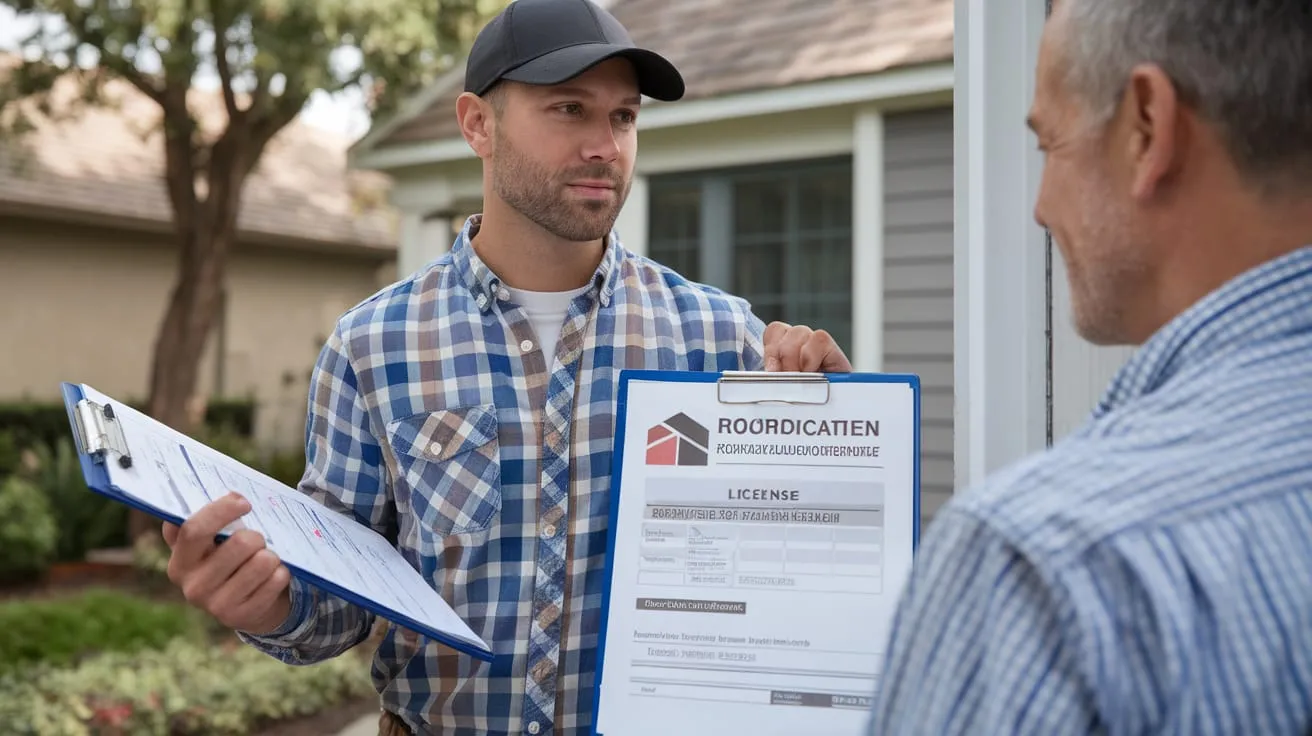
Licensed & Insured
Fully licensed, bonded, and insured with workers' compensation on every job.
Certified & Factory-Trained
Factory-certified installers on every major product line, qualifying you for the strongest manufacturer warranties.
Warranty-Backed Work
10-year workmanship warranty plus up to 50-year manufacturer warranties on materials.
24/7 Emergency Service
Same-day emergency roof repair across the East Bay, with 24/7 live dispatch.
Locally Owned & Operated
Family-run since 1988, based in Concord. We don't subcontract, and we don't go anywhere.
Top Manufacturer Partners
Certified installers for GAF, Owens Corning, and CertainTeed roofing systems.
Get a free estimate from a licensed East Bay roofing contractor. Call (925) 722-4916
TPO's Limitations
TPO membranes thinner than 60-mil are puncture-prone. If your roof sees regular foot traffic from HVAC technicians, window washers, or maintenance crews, go 80-mil or add walk pads. TPO is also not great for complex roof shapes with lots of penetrations and direction changes, EPDM's flexibility handles irregular geometry better. And if your building is in a heavily shaded area, the cool roof benefits are minimal and a less expensive modified bitumen system may be smarter.
Related Services
Commercial Roofing
TPO is our go-to recommendation for most East Bay commercial flat roofs.
Learn MoreWe Serve 38 East Bay Cities
From Concord to Fremont, Oakland to San Ramon, East Bay Roofers covers the entire East Bay with same-day emergency dispatch.