24/7 Emergency Roof Repair, Same-Day Response | East Bay Roofers
1-2 Hour Response, 24/7/365
24/7 emergency roof repair across the East Bay. Active leaks, storm damage, fallen trees, 1-2 hour response. Call (925) 722-4916. Crews standing by.
Call (925) 722-4916 Now24/7 Emergency Roof Repair in the East Bay
East Bay Roofers is the East Bay's licensed roofing contractor that homeowners and property managers call for 24/7 emergency roof repair
Since 1988, we've provided emergency tarping, water mitigation, and temporary-to-permanent repairs for homes and businesses in Concord and across the entire East Bay. Here's what that looks like in practice:
One Call, Real Response
No phone trees, no overseas call center. You talk to a dispatcher who pushes a crew to your address within minutes.
Professional Tarping
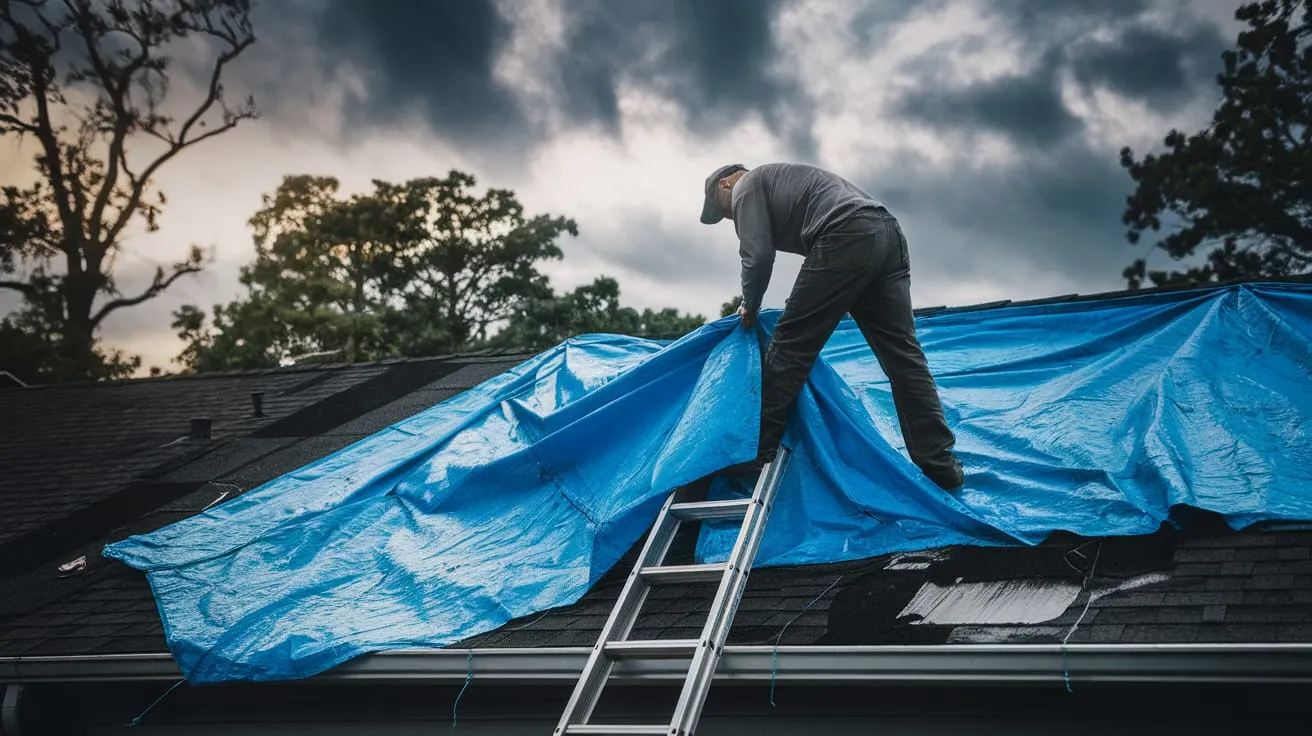
UV-24 month rated heavy-duty poly tarp, 1x3 furring strips, galvanized roofing nails. Not the $15 blue tarp from the hardware store that shreds by sunrise.
Water Mitigation Coordination
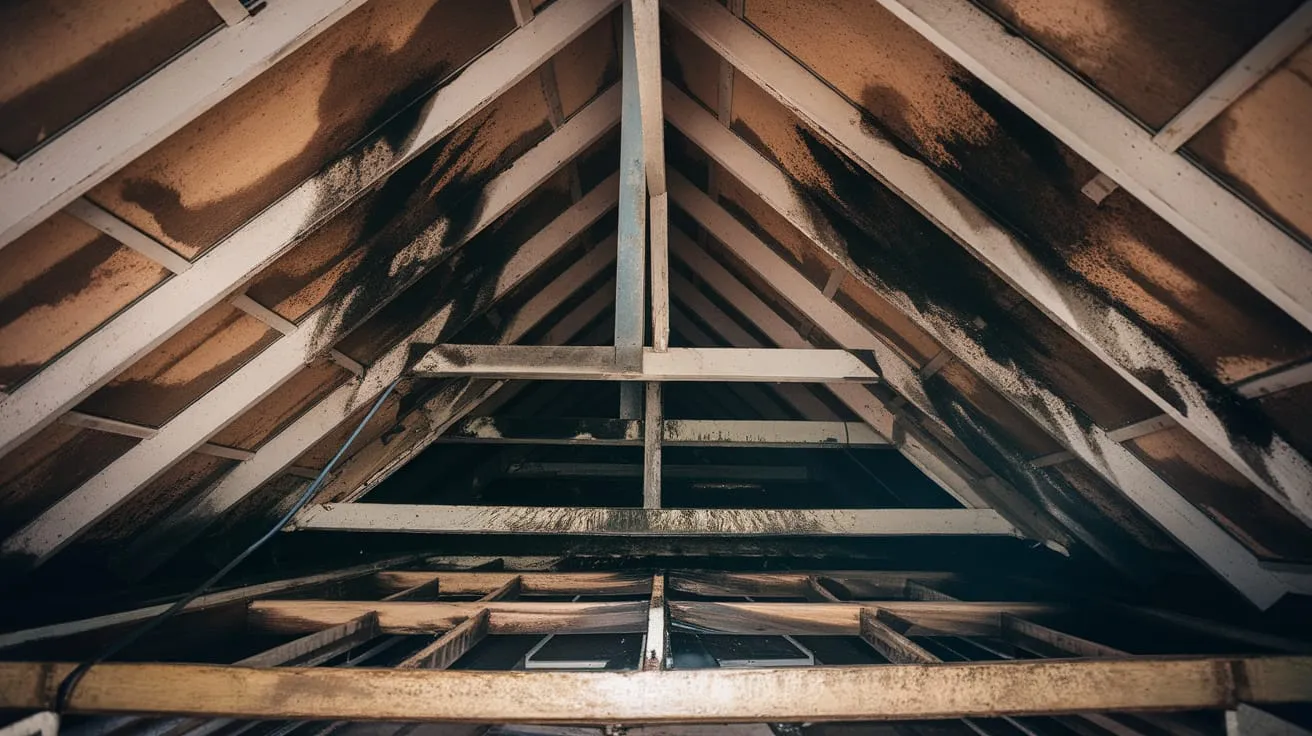
We stop the roof leak and connect you with water extraction and drying contractors we trust. Preventing mold is as urgent as stopping the drip.
Adjuster-Ready Reports
Timestamped photos, measurements, cause-of-loss narrative, and repair scope formatted for your carrier. We make the adjuster's job easy.
What We Handle on an Emergency Call
Not every midnight leak is the same emergency, and the way we stabilize a wind-lifted ridge is different from how we handle a Monterey pine through the living room ceiling.
Here's the short list of what we see most often. Active leaks during a storm. The overwhelming majority of our calls. Water is coming in now, you don't know exactly where it's entering the roof, and the storm is forecast to run another 36 hours. We tarp the suspect area, set catch containers inside, and schedule a dry-weather inspection to find the actual entry point. Leaks almost never enter the attic where they show up on the ceiling, water tracks along rafters and underlayment before it drips. Tree and branch impact. The East Bay is full of mature Monterey pine, eucalyptus, coast live oak, and Valley oak, and in a Diablo wind event they drop limbs the size of small cars. We coordinate tree removal with arborist partners, then assess structural damage to rafters, decking, and ridge lines before we even talk about roofing material. A tree strike looks like a roof problem and is usually a framing problem. Wind-lifted sections. A 60 mph gust up a ridge line can peel a 10-square field of shingles like a banana. The exposed felt doesn't last a single storm cycle. We tarp the exposed deck, save as many shingles as we can for the permanent re-tie-in, and document the wind event date for the insurance claim. Fire and water damage. Less common, but we respond. After a kitchen fire that vents through the attic, or a neighboring structure fire that throws embers onto your roof, we stabilize vent penetrations, tarp compromised areas, and work with fire restoration contractors on the broader scope. Total flashing failures. Chimney flashings, wall-to-roof step flashing, valley metal, when these fail, water goes straight into the wall cavity, not into an attic where you'd see it coming. These are emergencies even when the leak looks small.
When You Actually Need an Emergency Call
You need the emergency line when water is coming in, when the roof deck is exposed to weather, or when something structural has changed.
Anything outside that window, a couple of lifted shingles, a cracked vent boot you spotted from the ground, a small ceiling stain that isn't growing, is a next-day repair, and you'll save money scheduling it during normal hours. Honest anecdote: I once drove 45 minutes to a Moraga house at 1 AM because the homeowner was certain her roof was failing. It was a cracked gutter seam spilling behind the fascia during a heavy rain. I sealed the seam with butyl, cleaned up, and wrote her up as a courtesy call. She insisted on paying something, so we charged the minimum trip. Point being, if you're not sure, call the line, describe what you're seeing, and the dispatcher will tell you whether it's a tonight problem or a tomorrow problem.
Response Time by Situation
- Life-safety (tree strike, partial collapse, structural compromise): 1-2 hour arrival anywhere in our service area
- Active interior leak during a storm: 2-4 hour arrival, sooner if we have a truck in your corridor
- Same-day request, no active leak: 4-8 hours or end-of-day
- Next-day minor: morning slot the following day We stage crews across the East Bay during storm season, Concord, Oakland, Walnut Creek, Dublin, specifically so we're not driving from Martinez to Fremont at 2 AM. In a normal week we dispatch five to ten emergency calls. In an atmospheric river week, we'll run sixty.
Our Tarping Materials (Yes, It Matters)
We get asked why tarping costs what it does.
Here's what's on the truck: - Heavy-duty UV-resistant poly tarp, rated UV-24 months. Not the same as the translucent blue tarp most hardware stores sell for $12.
- 1x3 furring strips, pressure-treated. Used to clamp the tarp edges against the roof surface so wind can't get underneath.
- Galvanized roofing nails, 1-1/4". The furring strips go through these into the decking. No staples, no screws, no bungees across the ridge.
- Butyl rubber sealant for any nail penetrations that will stay in place beyond the tarp life.
- Rope and bungee for wrapping around pipes, chimneys, and vent stacks where we can't nail. A properly installed tarp lasts 30-90 days in East Bay weather. A blue tarp held down by bricks lasts about one storm, which is why we get called back to the same house in a week.
Permanent Repair Materials
When the temporary repair is also the permanent repair, most vent boot, flashing, and small field repairs, we use the same products we use on full re-roofs. GAF Timberline HDZ or CertainTeed Landmark shingles for matching, GAF StormGuard ice and water shield for flashing underlayments, Oatey Master Flash or Perma-Boot for vent boots, and Karnak 19 trowel-grade roof cement for field sealant.
Brands matter because warranty coverage depends on documented materials.
Code Requirements for Emergency Repairs
Even emergency work falls under the California Residential Code CRC R90 5.2.8 governs flashing at walls, chimneys, and penetrations. CRC R908 applies to re-roofing scope when the repair extends beyond a single square.
In unincorporated Contra Costa County and most East Bay cities, minor emergency repairs under 100 square feet don't require a permit under CRC R105.2, but anything larger does, and the permit can be filed after the emergency is stabilized. We handle the filing. For homes in CAL FIRE Very High Fire Hazard Severity Zones (parts of Oakland hills, Berkeley hills, Orinda, Lafayette, Moraga, Danville, San Ramon, and the Alamo foothills), any repair using new roofing material has to comply with California Building Code Chapter 7A, Class A fire-rated assembly, ember-resistant vents, noncombustible gutters. We won't install a 3-tab shingle on a WUI-zone home just because it's 3 AM.
East Bay Cities We Serve for Emergency Response
We run emergency dispatch across all 38 East Bay cities we serve.
The highest-volume corridors are Concord, Walnut Creek, Lafayette, Orinda, Moraga, Oakland, Berkeley, Alameda, Pleasanton, San Ramon, Danville, Alamo, Dublin, Livermore, Martinez, Pleasant Hill, and Pittsburg. Outlying service extends to Fremont, Union City, San Leandro, Hayward, Richmond, El Cerrito, Albany, and the San Rafael/Marin corridor when crews are available. Full city list on our locations page.
Before the Next Storm
The cheapest emergency call is the one you never have to make.
Book a pre-season inspection in September or October, we check flashing, vent boots, ridge caps, valleys, and gutters, then hand you a written punch list. Fixing a cracked vent boot in October runs $225. The same boot failing at 2 AM in January and dumping water into your ceiling runs $4,500 in drywall, insulation, and flooring replacement, plus the emergency fee. It's not close.
What Happens After the Emergency
Once a roof is stabilized from an emergency event, the next step is usually a formal roof inspection report, both to confirm the damage scope and to produce documentation the insurance carrier needs.
Many emergency calls lead to roof repair scope that's more extensive than the initial tarp-and-patch, and some lead to full roof replacement on roofs that were already past their service life. Emergency calls on commercial roofing properties, flat membrane failures, drain backup events, seam separations, follow the same triage protocol as residential work but with different documentation for property managers and HOA boards. And on metal roofing systems, emergency response focuses on panel re-seating and fastener repair rather than the shingle-replacement techniques we use on composition roofs.
Call the Emergency Line
If water is coming in right now, stop reading and call (925) 722-4916.
A dispatcher is on the line 24/7/365. We're licensed C-39, fully insured, and we've been at the same Concord address since 1988. No sales pitch at 2 AM, just a crew that shows up.
What Emergency Roof Repair Includes
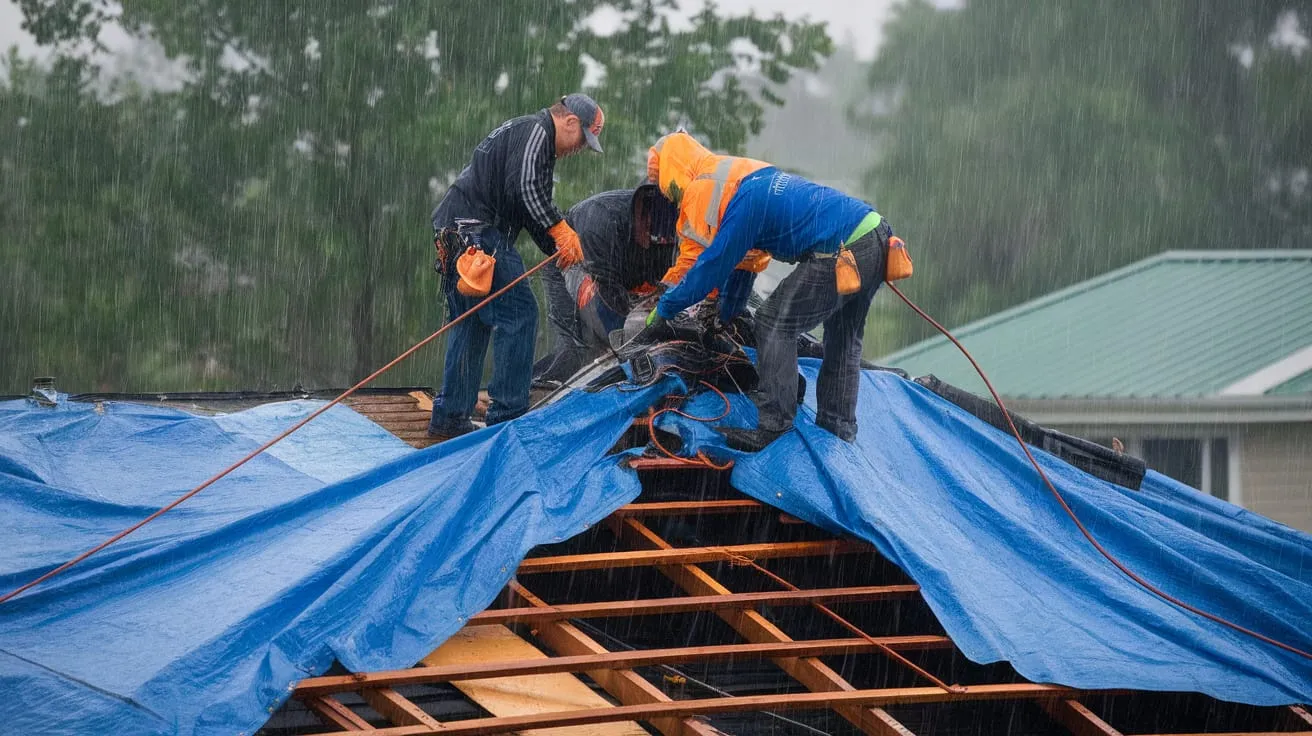
An emergency call is about containment first: we get tarps on the leak fast, then stabilize the immediate failure. Common emergency fixes: sealing a lifted flashing seam with sealant and caulk, replacing a split vent boot collar, re-securing drip edge or fascia that wind peeled back, and covering exposed sheathing, osb or plywood, where shingles blew off. We check for soffit and interior damage, then schedule the permanent repair with underlayment and ice-and-water shield replacement where water got under the roof. We carry a mobile dumpster for torn-off debris. The emergency crew works at night and in the rain, that's the point of 24/7.
Roof System Details
Beyond the visible work, every emergency roof repair project on a roof touches the same system-level details. Valleys are flashed with corrosion-resistant metal so the heaviest water flow stays off the deck. Ice dams are addressed at the source, ice-and-water shield in the eaves and lower field plus balanced ridge vent and soffit vent airflow keeps the deck temperature even, so snowmelt doesn't refreeze at the eave and push water up under the shingles. The joist and rafter structure is checked for deflection before heavy materials go up. Gutter and downspout connections are confirmed at the eaves so the roof edge drains into the system instead of behind it, a roof and its gutters are one water-shedding assembly, and we treat them that way.
Quality & Materials Standards
Every material we install is specified to a standard, not just a price. Architectural shingles and three-tab shingle options are dimensional fiberglass-backed products with granulated mineral surfacing; standing-seam panel and corrugated panel metal roofs come in steel or aluminum with elastomeric coating options (including acrylic coating and silicone coating where the spec calls for them). TPO, EPDM, and built-up roof membranes are checked for tensile strength and coverage rate before they go up. Adhesive and roof cement are used where the membrane spec requires them, and fasteners are driven to the manufacturer's exact coverage rate, never guessed.
We also inspect for the failure modes that shorten roof life, and we're honest about what we find: blistering and blisters, buckling or warping, delamination and spalling, corrosion and erosion of metal, granulated loss, UV degradation, and deterioration that shows as flaking, cracking, or seepage at seams and eaves. Water that wicks up under a substrate rots sheathing and trusses; we fix the substrate, not the symptom. Drains, downspouts, and gutters are checked as part of the water path, a roof that drains is a roof that lasts.
Storm response is built into our process: hail damage and wind damage assessments document every dent, dislodged shingle, and lifted flashing for the adjuster. We handle claim documentation, including the deductible line items, depreciation schedules, and supplement paperwork insurance companies require, so the scope of work is approved before the crew arrives, and a tarp protects the interior until the permanent repair is scheduled. Crews work to a written scope of work with scaffold and safety harness protocols on every steep roof.
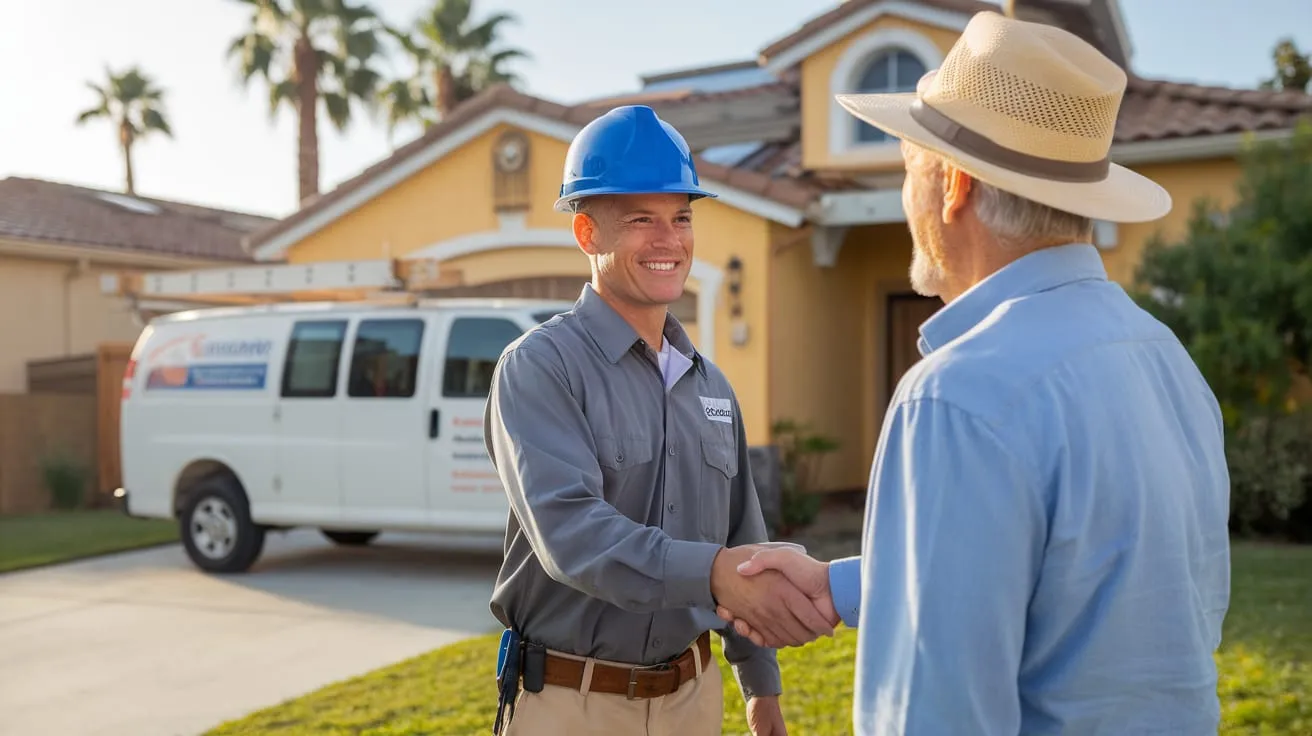
Need 24/7 emergency roof repair, same-day response | east bay roofers in the East Bay? Get a free estimate from a licensed contractor.
Emergency Repair Costs
Emergency Call-Out + Tarping
After-hours dispatch, site stabilization, heavy-duty UV-resistant poly tarp secured with furring strips and galvanized roofing nails. Includes adjuster-ready photo documentation.
Get Free EstimateTemporary Repair Add-On
Same-call patching of punctures, lifted shingles, failed vent boots, or ridge cap failures using GAF Roof Emergency Patch Kit, Henry Extreme Cream, and matching shingle stock.
Get Free EstimateInsured Claim Jobs
When damage falls under your homeowner's policy, we bill the carrier directly after approval. Typical out-of-pocket is your deductible only.
Get Free EstimateFrequently Asked Questions
What qualifies as a roofing emergency?
Active water entering the living space, a tree or branch on the roof, wind-lifted sections exposing the deck, fire or water damage to the roofing assembly, or total failure of flashing at a chimney, wall, or valley. If you can hear dripping inside or see daylight through the attic, that's an emergency and we'll dispatch immediately.
How fast will you actually be on-site?
For life-safety situations like structural compromise or a tree through the roof, we target a 1-2 hour arrival anywhere in the East Bay. For interior leaks during business hours, same-day. Minor issues get next-day response. We don't promise times we can't hit, so if a crew is 3 hours out during a storm surge, dispatch tells you that on the phone.
Do you charge extra for nights and weekends?
The call-out fee is the same whether it's Tuesday at 10 AM or Saturday at 3 AM. What you're paying for is a crew on standby, trucks stocked with tarps and fasteners, and a dispatcher who answers on the second ring. Labor after midnight isn't billed at a premium.
Will you help with my insurance claim?
Yes. We document the damage on arrival with timestamped photos, measurements, and a written timeline, then assemble an adjuster-ready report. We'll meet your adjuster on-site, handle assignment-of-benefits paperwork where you prefer, and file supplements when the first estimate misses items. We've done hundreds of these since 1988.
Should I try to tarp my roof myself?
Please don't. A wet composition roof at 30 degrees of pitch is the fastest slide you'll ever take, and most of the ER calls we hear about in December aren't from the original leak, they're from a homeowner who climbed up with a hardware-store tarp and a staple gun. Call us. We've got harnesses, proper tarps, and we've done this in the rain more times than we can count.
Can the temporary repair become the permanent fix?
Sometimes. If the emergency is a single failed vent boot or a lifted run of shingles, the repair we do at 2 AM is the same repair we'd do at noon. For anything involving decking, framing, or multi-plane damage, the tarp buys us time to come back in daylight and do it right.
Get Your Free Roof Inspection
Call today for a no-obligation estimate from a licensed East Bay roofing contractor.
Call (925) 722-4916Credentials You Can Verify
Licensed & Insured
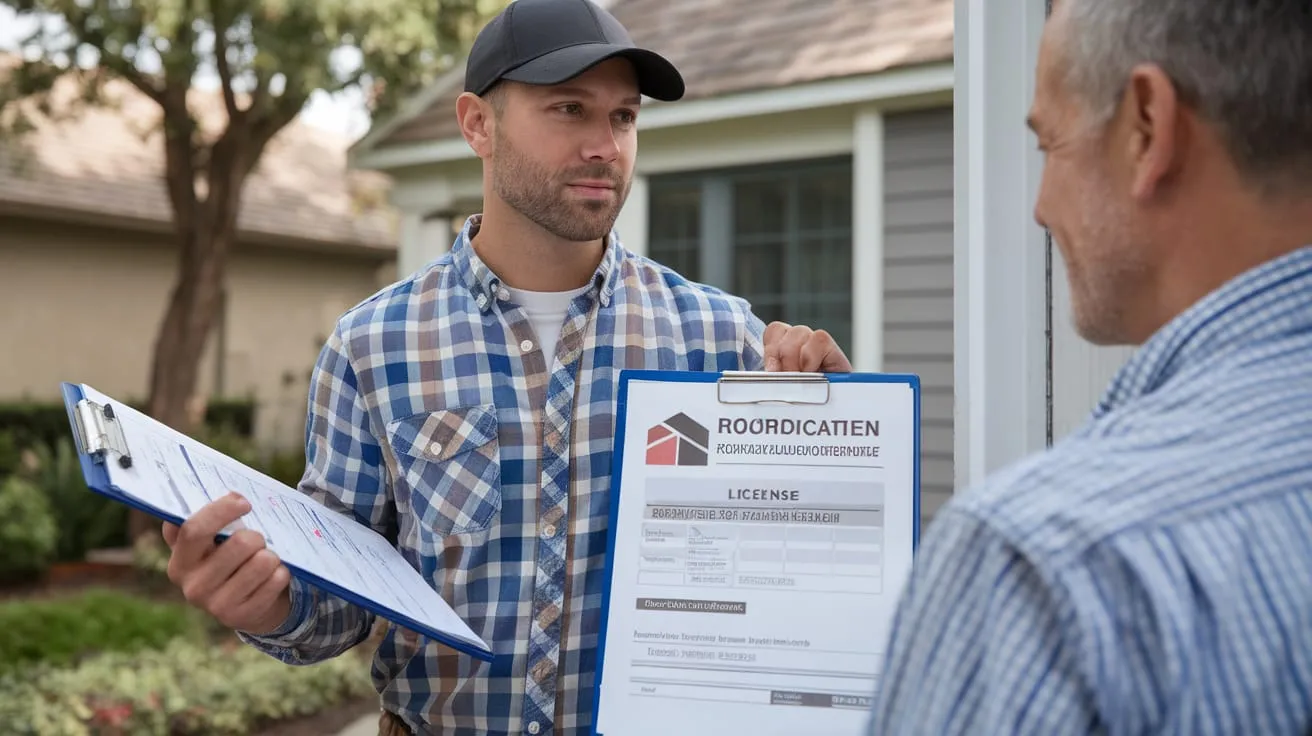
Fully licensed, bonded, and insured with workers' compensation on every job.
Certified & Factory-Trained
Factory-certified installers on every major product line, qualifying you for the strongest manufacturer warranties.
Warranty-Backed Work
10-year workmanship warranty plus up to 50-year manufacturer warranties on materials.
24/7 Emergency Service
Same-day emergency roof repair across the East Bay, with 24/7 live dispatch.
Locally Owned & Operated
Family-run since 1988, based in Concord. We don't subcontract, and we don't go anywhere.
Top Manufacturer Partners
Certified installers for GAF, Owens Corning, and CertainTeed roofing systems.
Get a free estimate from a licensed East Bay roofing contractor. Call (925) 722-4916
What We Won't Do in an Emergency
We won't sell you a full roof replacement at 10 PM during a rainstorm. Emergency calls are for stopping the damage, tarping, patching, and documenting. The permanent solution gets discussed after the crisis, in daylight, with a proper inspection. Anyone pushing a $20K contract during your emergency isn't looking out for you.
Related Services
Roof Inspection
Post-emergency inspection to identify damage you can't see from the ground.
Learn MoreWe Serve 38 East Bay Cities
From Concord to Fremont, Oakland to San Ramon, East Bay Roofers covers the entire East Bay with same-day emergency dispatch.