Cool Roof Installation, Title 24 Compliant & Rebate-Ready | East Bay Roofers
Living Roofs for the East Bay's Climate
Green & cool roof systems across the East Bay. Vegetated living roofs, cool-rated shingles, Title 24 compliance & solar-ready packages. $15,000–$40,000+. Free design consultation.
Call (925) 722-4916 NowSustainable Roofing, From the Ambitious to the Practical
East Bay Roofers is the East Bay's licensed roofing contractor that homeowners and commercial property managers across 38 cities call for green and cool roof systems Since 1988, we've installed green roofs, cool-rated shingles, and Title 24 compliant systems across the East Bay. Whether you're planning a full vegetated roof in <a href="/location/livermore/">Livermore or a cool-roof shingle upgrade in Concord, we'll guide you to the right sustainable solution. "Green roofing" covers a wide range of products, and part of my job on this page is separating them out. A vegetated living roof in Emeryville is a completely different project from a cool-roof shingle upgrade in Concord, and both get called "green." So does a solar-integrated re-roof in Berkeley, and a Title 24 compliance package on a new construction in Oakland. These are four different scopes, four different price points, and four different answers to four different questions. Here's my honest stance up front: a vegetated roof is beautiful but expensive and requires structural engineering. For most East Bay homeowners, a cool-roof shingle upgrade captures 80% of the environmental and energy benefit at 20% of the cost. I'll explain all the options below, including the ones I'll usually talk you out of.
Stormwater Management
Vegetated systems retain 50-90% of rainfall on-site. Reduces strain on municipal storm drains and can earn stormwater credits in jurisdictions that offer them.
Title 24 Compliance
Cool roof systems meet California Title 24 Part 6 energy code without additional insulation upgrades. HERS credit on new construction.
2x-3x Membrane Life
Vegetation shields the membrane from UV, thermal cycling, and mechanical damage. A buried membrane lasts 40-50 years vs. 20-25 years exposed.
Solar-Ready Packages
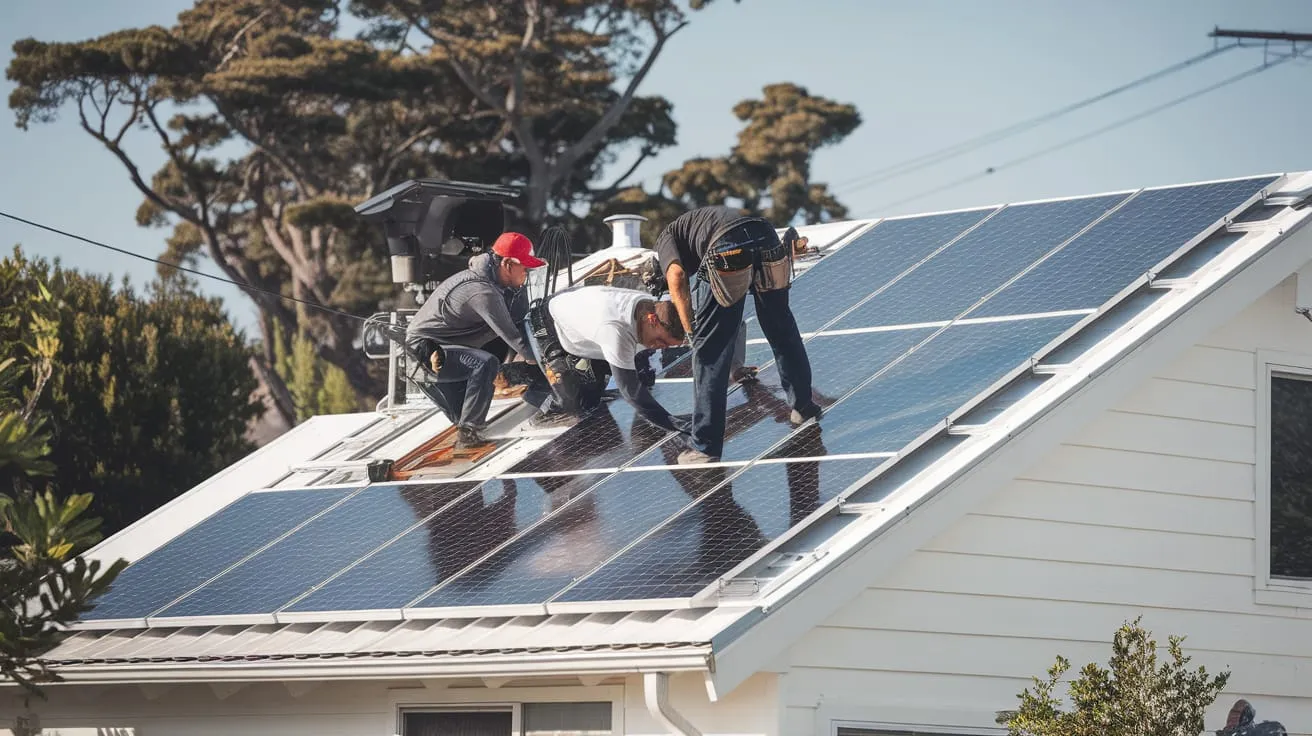
Cool roof shingle plus solar coordination. We handle the roof, the panel installer handles the array, and we warranty the interface.
What Is Green Roofing, Actually
Four things live under this umbrella: Vegetated (living) roofs are engineered assemblies where plants grow in a growing medium over a waterproof membrane.
Extensive systems use 2 to 6 inches of lightweight media with sedums and drought-tolerant groundcovers. Intensive systems use 12-plus inches with shrubs, small trees, and walkways, essentially a rooftop garden. These are real systems with real performance data, but they're expensive and they require structural engineering. Cool roof systems use reflective shingles, metal panels, or elastomeric coatings to bounce solar radiation and emit absorbed heat. Solar reflectance index (SRI) numbers above 75 usually hit Title 24 cool roof requirements without additional work. This is the category where most homeowners actually end up when they call asking about "green roofing." Energy-efficient underlayment and ventilation packages paired with high-albedo shingles or metal. Radiant barriers, upgraded ridge and soffit ventilation, and reflective underlayments that drop attic temperatures 15 to 30 degrees on summer afternoons. Solar-ready and solar-integrated roofing. We coordinate with Tesla Solar Roof installers for the integrated option, or we install a standing seam metal or Class 4 shingle roof that's ready for a conventional array and let a solar contractor mount the panels.
When Each Option Makes Sense
Vegetated roofs make sense for flat or near-flat roofs (generally 0 12 to 2:12) on commercial buildings, apartment complexes, or ambitious custom residential in Berkeley, Oakland, and Emeryville.
The economics work when you're getting stormwater credits, LEED certification, or an amenity space out of the investment. They rarely work on a standard single-family pitched roof. Cool roof upgrades make sense almost everywhere in the hot inland East Bay, Concord, Antioch, Brentwood, Walnut Creek, Livermore, Dublin, San Ramon. If you're replacing your roof anyway, the upgrade from a standard shingle to a cool-rated shingle is $200 to $500 per square and the cooling bill savings start the first summer. Energy-efficient packages make sense on any re-roof where you have an older home with mediocre insulation and ventilation. Getting the attic to breathe correctly and adding a radiant barrier often beats the raw cooling benefit of the shingle color. Solar-ready roofing makes sense any time you're re-roofing and have solar in a five-year plan. Doing both at once saves you the cost of removing and reinstalling panels later when the roof fails under them.
Brands and Product Lines We Install
Vegetated systems: American Hydrotech, commercial green roof specialist, root-resistant membrane and full assembly components.
We've specified Hydrotech on a few Emeryville and Oakland commercial projects. LiveRoof, modular sedum tray system, faster installation than a built-in-place extensive roof, and the plants arrive pre-grown. Cool roof and energy-efficient shingles: CertainTeed Solaris Platinum, our default cool-roof asphalt shingle. Solar reflectance of 0.40-plus, which comfortably clears Title 24 cool roof requirements. Fifteen-year algae warranty. GAF Timberline Cool Series, GAF's cool roof line, widely available in cool-rated color options, StainGuard Plus algae protection. Owens Corning Duration Cool, SureNail reinforced nailing with reflective granules, strong wind good Title 24 compliance path. Boral Cool Roof line, for concrete tile projects where we need cool-colored tile to hit Title 24 on a tile installation. Coatings and flat-roof cool roof options: Henry Cool coatings, white elastomeric coatings for TPO, modified bitumen, and BUR flat roofs. Turns any existing flat roof into a cool roof for a fraction of a full replacement. Solar coordination: Tesla Solar Roof, we coordinate with Tesla's installers on integrated-glass-tile projects. The roof deck prep and flashing is our work, the Tesla product is theirs, and we hand off at a defined interface. Conventional solar arrays get mounted on whatever roof we install, standing seam is our favorite substrate, but any Class A shingle or tile we spec works with rack-mount systems.
Installation Process
Vegetated roof installation is a multi-layer sequence. Structural deck (concrete, steel, or engineered wood) rated for the saturated dead load plus live loads. Waterproof membrane, we use root-resistant EPDM at 60 to 90 mil, or hot-applied rubberized asphalt on commercial scope. The membrane is flood-tested at full depth for 48 hours before any subsequent layer goes in.
No exceptions. Then root barrier (HDPE sheet), protection mat, drainage layer (dimpled plastic or lightweight aggregate), filter fabric, growing medium, and plants. Cool roof shingle installation is a standard re-roof with reflective shingles. Tear off existing, inspect and replace any soft decking, roll synthetic underlayment, install starter strip and field shingles per manufacturer pattern. Same process as any quality re-roof, the only change is the product spec. Flat roof cool coating is a cleaning and preparation operation followed by application of the elastomeric coating by brush, roller, or airless spray. Two coats, minimum, with proper cure time between coats. Solar coordination involves scheduling the roof work to precede the solar install, providing the solar contractor with a clean flashing-ready surface, and maintaining the warranty interface between our roof and their panels.
Code Requirements in the East Bay
Title 24 Part 6 is the California energy code that governs cool roof requirements.
Different provisions apply to low-slope (under 2:12) versus steep-slope roofs, and different compliance paths exist for new construction versus alteration. Most East Bay re-roofs can hit Title 24 compliance with a cool-rated shingle or an upgraded insulation package. We handle the HERS registration and compliance paperwork on any project that triggers it. CRC R908.8 covers re-cover requirements, when you can re-cover an existing roof and when you must tear off. Vegetated systems almost always go over new membrane, never over existing. Chapter 7A still applies in the wildfire zones, and cool roof shingles are available in Class A Chapter 7A-compliant assemblies. Bay Area Air Quality Management District permit thresholds apply to commercial roofing projects involving hot asphalt or volatile coatings above certain square footage. We track the BAAQMD thresholds and handle permitting on commercial projects that trigger them. Local ordinances: Berkeley's Cool Roof Ordinance and Oakland's Green Building Ordinance both carry specific requirements for covered projects. We check the specific parcel and scope before writing the estimate.
East Bay Cities Where Green Roofing Works Best
Berkeley, strong municipal support, Cool Roof Ordinance, LEED-minded homeowners, legitimate market for vegetated commercial projects. Oakland, Green Building Ordinance, urban heat island mitigation is a policy priority, commercial and institutional projects actively seeking vegetated options. Emeryville, commercial and mixed-use buildings with flat-roof geometry and green building policies. Concord, Walnut Creek, Pleasant Hill, Martinez, cool roof shingle upgrades on the flatland heat belt, where the cooling bill math is most compelling. Livermore, Dublin, San Ramon, Pleasanton, Title 24 compliance on new construction, cool roof on re-roofs. Alameda, coastal microclimate moderates the cool-roof math, but cool roof requirements still apply on new construction.
Ready to Talk Specifics
If you're weighing a sustainable roofing upgrade, cool roof, solar coordination, a Title 24 compliance path, or an ambitious vegetated project, we'd rather start with a site visit than a phone quote.
The right answer depends on your home, your climate zone, your goals, and your budget, and we can walk through all of them in person. Call East Bay Roofers at (925) 722-4916, or request a consultation online. Founded 1988, C-39 licensed . We've been installing cool roof shingles, coordinating solar projects, and consulting on vegetated systems across Berkeley, Oakland, Emeryville, and the hot inland East Bay for decades.
What Green Roofing Includes
Green roofs add a living layer on top of a conventional assembly, and the waterproofing underneath has to be right. The structural deck, plywood or osb on engineered framing, gets a root barrier over underlayment, with ice-and-water shield at the edges and flashing at every penetration. Drip edge and fascia hold the growing media at the perimeter, vent boot collars flash drains and irrigation lines, and the drainage layer is checked against building code for live load. We maintain the roof's ridge vent on the areas of conventional roof alongside. Old green roof media, membrane, and debris go to the dumpster.
Roof System Details
Beyond the visible work, every green roofing project on a roof touches the same system-level details. Valleys are flashed with corrosion-resistant metal so the heaviest water flow stays off the deck. Ice dams are addressed at the source, ice-and-water shield in the eaves and lower field plus balanced ridge vent and soffit vent airflow keeps the deck temperature even, so snowmelt doesn't refreeze at the eave and push water up under the shingles. The joist and rafter structure is checked for deflection before heavy materials go up. Gutter and downspout connections are confirmed at the eaves so the roof edge drains into the system instead of behind it, a roof and its gutters are one water-shedding assembly, and we treat them that way.
Quality & Materials Standards
Every material we install is specified to a standard, not just a price. Architectural shingles and three-tab shingle options are dimensional fiberglass-backed products with granulated mineral surfacing; standing-seam panel and corrugated panel metal roofs come in steel or aluminum with elastomeric coating options (including acrylic coating and silicone coating where the spec calls for them). TPO, EPDM, and built-up roof membranes are checked for tensile strength and coverage rate before they go up. Adhesive and roof cement are used where the membrane spec requires them, and fasteners are driven to the manufacturer's exact coverage rate, never guessed.
We also inspect for the failure modes that shorten roof life, and we're honest about what we find: blistering and blisters, buckling or warping, delamination and spalling, corrosion and erosion of metal, granulated loss, UV degradation, and deterioration that shows as flaking, cracking, or seepage at seams and eaves. Water that wicks up under a substrate rots sheathing and trusses; we fix the substrate, not the symptom. Drains, downspouts, and gutters are checked as part of the water path, a roof that drains is a roof that lasts.
Storm response is built into our process: hail damage and wind damage assessments document every dent, dislodged shingle, and lifted flashing for the adjuster. We handle claim documentation, including the deductible line items, depreciation schedules, and supplement paperwork insurance companies require, so the scope of work is approved before the crew arrives, and a tarp protects the interior until the permanent repair is scheduled. Crews work to a written scope of work with scaffold and safety harness protocols on every steep roof.
Need cool roof installation, title 24 compliant & rebate-ready | east bay roofers in the East Bay? Get a free estimate from a licensed contractor.
Green Roofing Costs
Extensive (Sedum)
2-6 inch growing medium with drought-tolerant sedums and grasses. Lightweight (15-25 lbs/sq ft saturated). Minimal maintenance.
Get Free EstimateSemi-Intensive
6-12 inch growing medium. Wider plant variety including perennials and small shrubs. Moderate weight and maintenance.
Get Free EstimateIntensive (Rooftop Garden)
12-24+ inch growing medium. Trees, shrubs, walkways, irrigation. Full rooftop garden experience. Requires structural engineering.
Get Free EstimateFrequently Asked Questions
Will a green roof damage my building?
A properly designed green roof protects your building. The vegetation and growing medium shield the waterproof membrane from UV, temperature extremes, hail, and foot traffic, doubling or tripling normal membrane life. The key word is 'properly designed.' Structural capacity, drainage layers, root barriers, and waterproofing must all be engineered correctly.
How much weight does a green roof add?
Extensive
What plants work on East Bay green roofs?
Drought-tolerant species thrive here. Sedum varieties (stonecrop, hens-and-chicks), native grasses (blue grama, California fescue), and Mediterranean herbs (thyme, oregano, rosemary) all perform well with minimal irrigation. The East Bay's dry summers and mild winters are actually ideal for extensive green roof plantings once established.
Does a green roof eliminate the need for a waterproof membrane?
No, the opposite. A green roof requires the highest quality waterproofing because the membrane is permanently buried under soil and plants. We use root-resistant EPDM or hot-applied rubberized asphalt membranes, flood-tested before any growing medium is placed. The membrane must be perfect because repairs mean removing the entire garden.
Get Your Free Roof Inspection
Call today for a no-obligation estimate from a licensed East Bay roofing contractor.
Call (925) 722-4916Credentials You Can Verify
Licensed & Insured
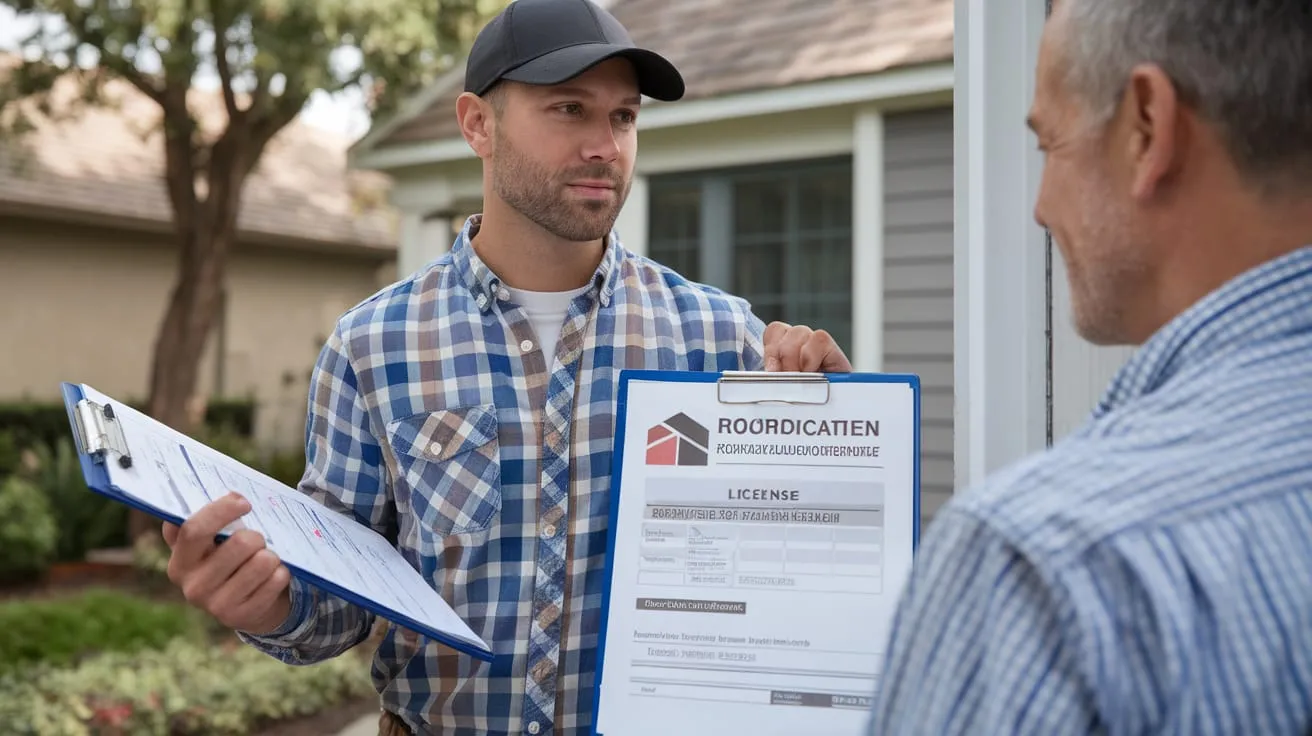
Fully licensed, bonded, and insured with workers' compensation on every job.
Certified & Factory-Trained
Factory-certified installers on every major product line, qualifying you for the strongest manufacturer warranties.
Warranty-Backed Work
10-year workmanship warranty plus up to 50-year manufacturer warranties on materials.
24/7 Emergency Service
Same-day emergency roof repair across the East Bay, with 24/7 live dispatch.
Locally Owned & Operated
Family-run since 1988, based in Concord. We don't subcontract, and we don't go anywhere.
Top Manufacturer Partners
Certified installers for GAF, Owens Corning, and CertainTeed roofing systems.
Get a free estimate from a licensed East Bay roofing contractor. Call (925) 722-4916
Green Roofs Aren't Maintenance-Free
The 'set it and forget it' narrative around green roofs is misleading. Extensive sedum roofs need 2-4 visits per year for weeding, fertilizing, and drain inspection. Intensive gardens need monthly maintenance. The irrigation system needs winterizing and spring startup. And if the waterproof membrane ever fails under all that soil, the repair cost includes removing and replacing the entire garden assembly. Budget realistically.
Related Services
We Serve 38 East Bay Cities
From Concord to Fremont, Oakland to San Ramon, East Bay Roofers covers the entire East Bay with same-day emergency dispatch.