New Roof Installation
Built Right From the Roof Deck Up
Professional new roof installation in the East Bay for new construction, additions & ADUs.. Free estimates. Call (925) 722-4916.
Call (925) 722-4916 NowProfessional New Roof Installation in the East Bay
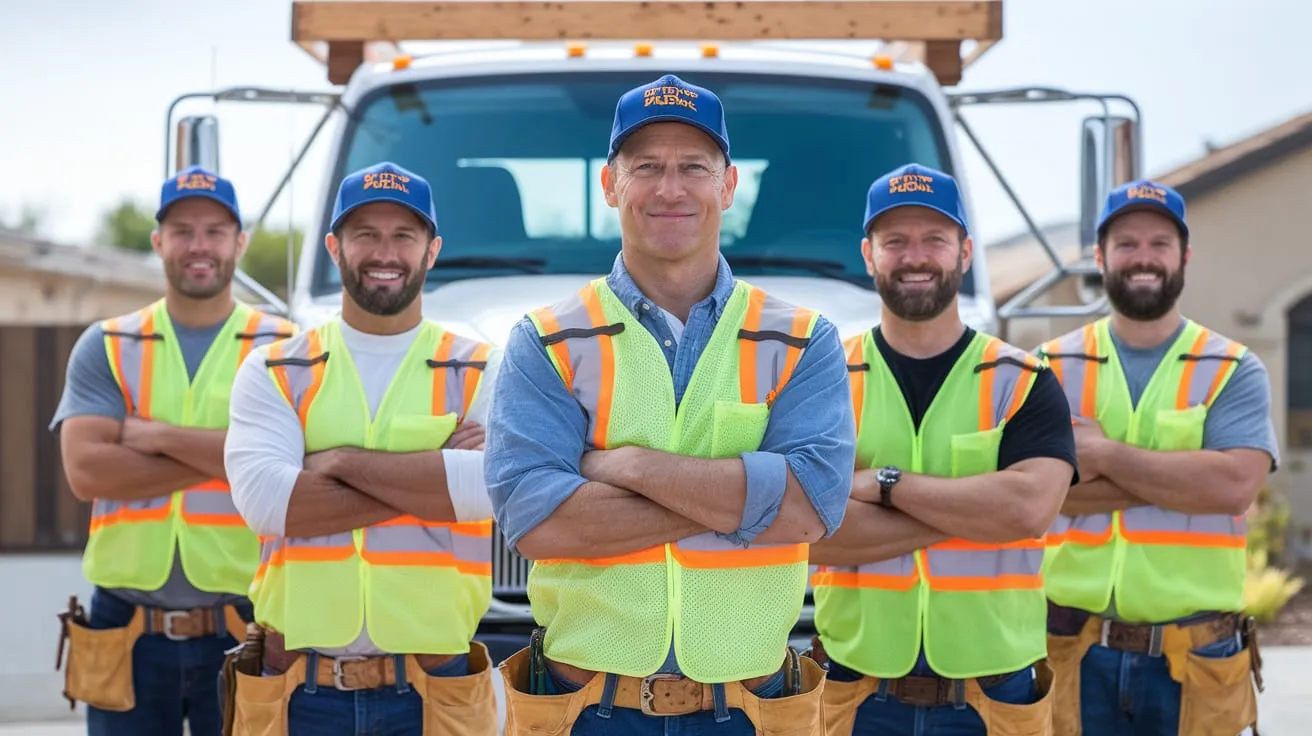
East Bay Roofers is the East Bay's licensed roofing contractor that homeowners and general contractors call for professional new roof installation.
Since 1988, we've installed decking, flashings, and premium materials — for custom homes and additions in Danville and across the East Bay. Here's what that looks like in practice:
Complete System Design
Underlayment, flashing, ventilation, and materials selected as an integrated system, not afterthoughts bolted on.
System Certification
Unlocks manufacturer warranties up to 50 years with full system coverage.
Ventilation Engineering
Balanced intake and exhaust ventilation sized to your attic volume. Prevents condensation, ice dams, and premature aging.
Permit Coordination
We work under your building permit, handle roof inspections, and deliver the warranty registration before final.
What New Roof Installation Actually Involves
New construction roofing is different from replacement in several ways that matter to budget and schedule. There's no tear-off. There's no decking repair. But there's structural coordination with the framing crew, plan review with the architect, Title 24 compliance sign-off, and a dried-in inspection before the building inspector will let drywall start inside. Our scope on a new build typically includes:
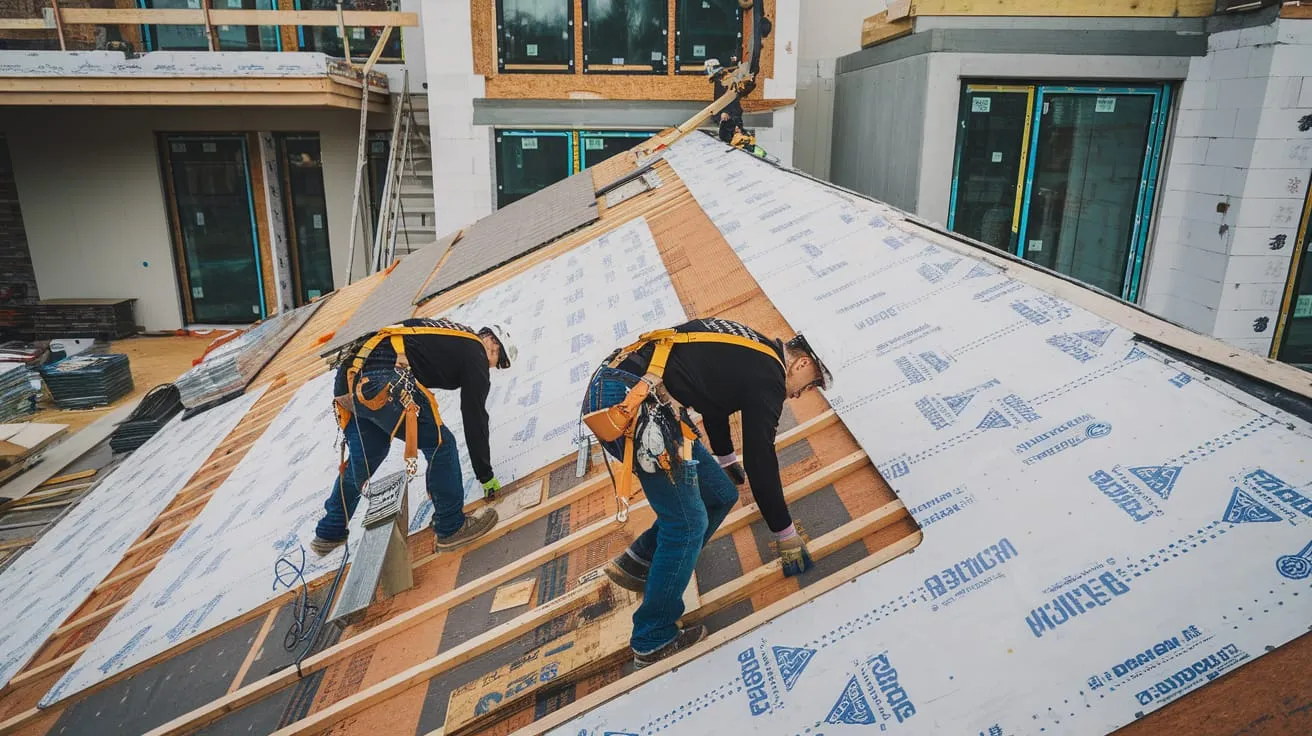
- Deck verification — walking the sheathing after the framer signs off, confirming nailing pattern, span, and fastener spec matches the engineered plans.
- Underlayment system — Ice & Water Shield at eaves and valleys, synthetic underlayment (GAF FeltBuster, CertainTeed RoofRunner, or Malarkey Secure Start) across the field.
- Drip edge and starter course — aluminum drip edge at eaves and rakes, matching starter strip with sealant bead.
- Main field install — shingles, tile, or metal installed to manufacturer spec with correct offset, nailing pattern, and exposure.
- Flashings — step flashing at walls, counter flashing at chimneys, kick-out flashings at roof-to-wall terminations, custom-bent pieces for anything the standard kit doesn't cover.
- Ventilation — ridge vent, soffit intake, gable vents if the plan calls for them, all sized to meet the 1-to-150 net free area ratio required by code.
- Pipe boots and penetrations — Oatey Perma-Boot or Master Flash for each plumbing vent, factory-matched caps for electrical and HVAC penetrations.
- Warranty registration — filed with GAF or CertainTeed before the job closes out. A typical 30-square new-build roof runs 5 to 7 days for asphalt shingles, 7 to 10 days for tile or standing seam metal, longer if the geometry is complex.
When You Need New Installation (Versus Replacement)
The distinction is simple but worth being clear on: - New custom home. Full ground-up build, you're the original owner, there's no existing roof. This is installation.
- Spec home or tract build. Same as above, just on the builder side.
- Room addition. You're adding square footage and the new section needs its own roof, tied into the existing one. Usually installation on the new section plus some repair work on the tie-in.
- Detached ADU or garage. New standalone structure. Installation.
- Commercial ground-up. Office, retail, multi-family, all fall under new installation.
- Replacing a roof that's already there. That's replacement, not installation, see our roof replacement page. Most of our installation volume comes through East Bay general contractors and custom home builders we've worked with for years, plus direct homeowner projects when someone's building their own custom home. Architects sometimes spec us directly on high-end builds in Blackhawk, Alamo, Orinda, and the Oakland and Berkeley hills.
Our Installation Process
Pre-construction review. We review the roof plan with the architect or GC before framing starts, flag any details that'll give us trouble, and confirm the material selection fits the structural load the framer is designing to. On tile jobs, this matters a lot — concrete tile runs 900-1,200 pounds per square versus 240 pounds for asphalt, and the trusses have to be designed for it.
Deck readiness check. Once the framer is done, we walk the deck with the site super, verify everything's sound, and schedule our start. Dry-in. First day, sometimes day two, we cover the entire deck with underlayment and drip edge so the interior can be protected from weather. Building inspector can sign off on the dry-in inspection at that point, which lets drywall start inside. Material install. Shingles, tile, or metal go on per manufacturer spec. We use the six-nail pattern on GAF Timberline HDZ in any wind-exposed area and hand-seal ridge cap tabs on anything above 8:12 pitch. Flashing and penetrations. Everything gets flashed as we work — no "we'll come back for that." Chimneys, skylights, plumbing vents, wall intersections, HVAC penetrations. Ventilation and finish. Ridge vent, ridge caps, final vent boots, and any specialty items (solar-ready penetrations, snow guards, cricket structures). Final inspection. We schedule the final roof inspection with the jurisdiction and walk it with the inspector ourselves. Warranty registration. Filed with GAF or CertainTeed, confirmation emailed to you and the GC.
Materials and Brands We Install
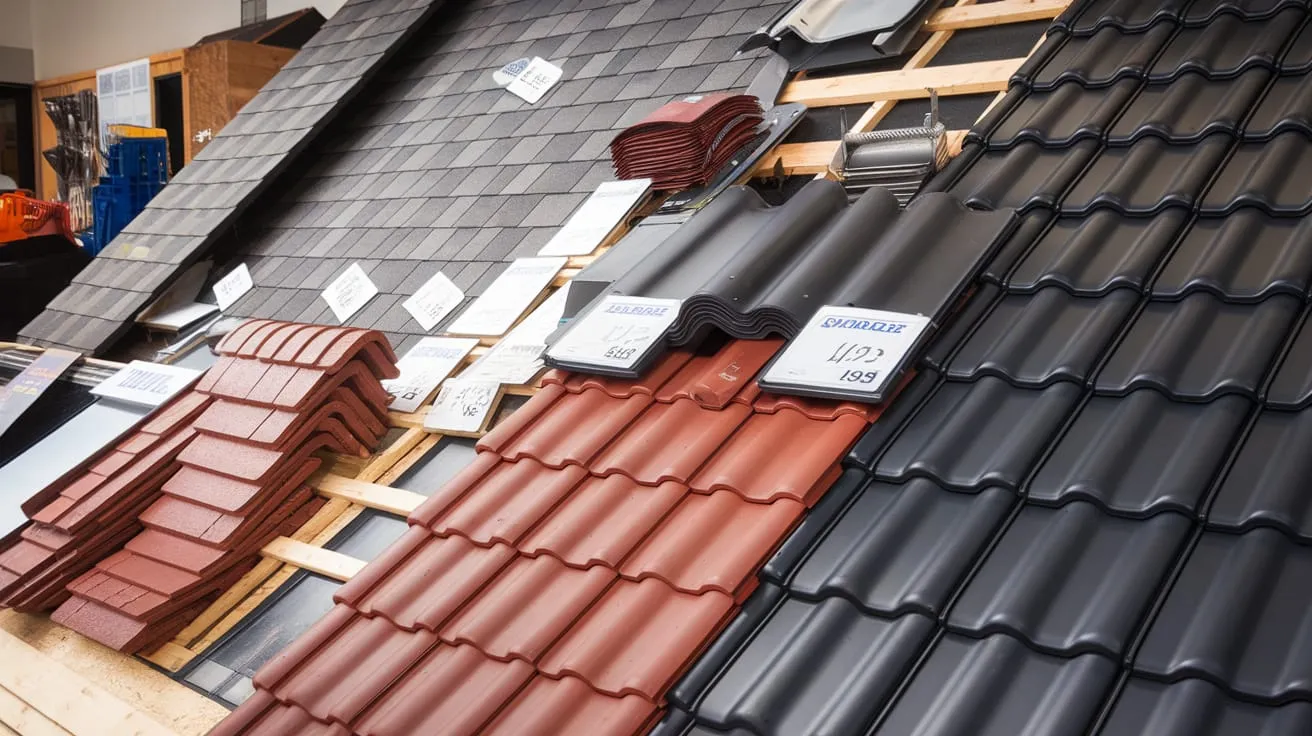
Same product lines as our replacement work, but on new construction we have more flexibility because there's no existing material to match. Asphalt shingles:
- GAF Timberline HDZ — the default spec shingle for most new East Bay builds. 25+ year warranty, Golden Pledge available through our GAF registration.
- GAF Timberline UHDZ — thicker profile for premium builds. Same Golden Pledge coverage.
- GAF Timberline AS II — Class 4 impact qualifies for insurance discounts from some California carriers.
- CertainTeed Landmark Pro and Presidential TL — Presidential is popular on luxury custom homes in Blackhawk and Alamo.
- Owens Corning Duration Storm and Duration Cool — SureNail strip for wind resistance; Duration Cool satisfies Title 24 cool roof and Berkeley's cool roof ordinance.
- Malarkey Vista AR — NEX polymer-modified, algae-resistant, high recycled content for the sustainability-focused builders. Tile:
- Boral concrete tile — wide color and profile selection.
- Eagle Malibu and Capistrano — S-tile and flat concrete profiles.
- Clay barrel tile — through MCA or US Tile for Mediterranean architecture. Metal:
- Decra stone-coated steel — looks like tile, installs faster, weighs one-seventh as much.
- Standing seam — 24-gauge Kynar-finished steel or aluminum, the preferred choice on modern architecture and hillside fire-zone builds. Underlayment and accessories:
- GAF FeltBuster, CertainTeed RoofRunner, Malarkey Secure Start for synthetic underlayment.
- Grace Ice & Water Shield or GAF WeatherWatch for self-adhering membrane.
- VELUX and Fakro skylights where the plan calls for daylighting.
Code and Permit Requirements
New construction roofing sits inside the larger building permit your GC pulls. We don't pull a separate permit, but we do have to comply with everything in the California Residential Code and California Building Code:
- CRC Chapter 9 (Roof Assemblies) — covers decking, underlayment, ice barriers, fire classification, and installation specifications.
- CRC R803 — roof decking requirements, minimum 15/32" structural panel sheathing on standard rafter spacing.
- California Building Code Chapter 7A — mandatory for any property in a Very High Fire Hazard Severity Zone. This covers much of the hills above Oakland, Berkeley, Orinda, Moraga, Lafayette, Alamo, Danville, and parts of Martinez. Chapter 7A means a Class A fire-rated roofing assembly, ember-resistant vents (covered with 1/8" noncombustible mesh or rated ember-resistant products), and noncombustible gutters or gutter guards.
- California Title 24, Part 6 — energy code. Roof reflectance and thermal emittance requirements for steep-slope residential roofs. Berkeley adds its own cool roof ordinance on top.
- CRC Section R806 — attic ventilation, 1 square foot net free ventilation per 150 square feet of attic floor area, or 1 to 300 with proper balance and vapor barrier.
- Local amendments — every East Bay jurisdiction has its own quirks. Berkeley and Oakland are the strictest on energy code; Contra Costa County enforces Chapter 7A rigorously in the unincorporated hillside areas. On custom homes we coordinate directly with the engineer of record on anything that touches the structural plan, heavy tile loads especially. The engineer provides the calcs, we install to the spec.
Let's Talk About Your Build
Call East Bay Roofers at (925) 722-4916 or request an installation estimate. We work directly with general contractors, architects, and owner-builders across the East Bay. CA license (C-39). Founded in 1988, based at 2310 Bates Ave in Concord.
What New Roof Installation Includes
A new roof is built from the deck up. We verify the sheathing — osb or plywood that's sound and dry — then apply underlayment and ice-and-water shield in the eaves and valleys. Every penetration is flashed with vent boot collars, drip edge runs the full eave and rake, flashing protects walls and chimneys, and the ridge closes with ridge cap over ridge vent. Nailing is by nail gun at the manufacturer's pattern so sealant strips bond properly. The full assembly meets building code, and the install crew keeps a dumpster on site for tear-off and trim debris from day one.
Roof System Details
Beyond the visible work, every roof installation project on a roof touches the same system-level details. Valleys are flashed with corrosion-resistant metal so the heaviest water flow stays off the deck. Ice dams are addressed at the source — ice-and-water shield in the eaves and lower field plus balanced ridge vent and soffit vent airflow keeps the deck temperature even, so snowmelt doesn't refreeze at the eave and push water up under the shingles. The joist and rafter structure is checked for deflection before heavy materials go up. Gutter and downspout connections are confirmed at the eaves so the roof edge drains into the system instead of behind it — a roof and its gutters are one water-shedding assembly, and we treat them that way.
Quality & Materials Standards
Every material we install is specified to a standard, not just a price. Architectural shingles and three-tab shingle options are dimensional fiberglass-backed products with granulated mineral surfacing; standing-seam panel and corrugated panel metal roofs come in steel or aluminum with elastomeric coating options (including acrylic coating and silicone coating where the spec calls for them). TPO, EPDM, and built-up roof membranes are checked for tensile strength and coverage rate before they go up. Adhesive and roof cement are used where the membrane spec requires them, and fasteners are driven to the manufacturer's exact coverage rate — never guessed.
We also inspect for the failure modes that shorten roof life, and we're honest about what we find: blistering and blisters, buckling or warping, delamination and spalling, corrosion and erosion of metal, granulated loss, UV degradation, and deterioration that shows as flaking, cracking, or seepage at seams and eaves. Water that wicks up under a substrate rots sheathing and trusses; we fix the substrate, not the symptom. Drains, downspouts, and gutters are checked as part of the water path — a roof that drains is a roof that lasts.
Storm response is built into our process: hail damage and wind damage assessments document every dent, dislodged shingle, and lifted flashing for the adjuster. We handle claim documentation — including the deductible line items, depreciation schedules, and supplement paperwork insurance companies require — so the scope of work is approved before the crew arrives, and a tarp protects the interior until the permanent repair is scheduled. Crews work to a written scope of work with scaffold and safety harness protocols on every steep roof.
Need new roof installation in the East Bay? Get a free estimate from a licensed contractor.
New Roof Installation Costs
Standard Asphalt
GAF Timberline HDZ or CertainTeed Landmark with synthetic underlayment, drip edge, and Class A assembly. Most common on spec and custom builds.
Get Free EstimatePremium System
Timberline UHDZ or Landmark Pro with full Ice & Water Shield perimeter, enhanced ventilation, and Golden Pledge warranty registration.
Get Free EstimateTile & Metal
Boral or Eagle concrete tile, clay tile, Decra stone-coated steel, or standing seam metal. Includes structural coordination with your framer.
Get Free EstimateFrequently Asked Questions
How long does a new roof installation take?
Most residential installations take 5-10 days depending on roof size, complexity, and material. A straightforward 30-square architectural shingle roof on a new build runs 5-6 days. Tile and standing seam metal take 7-10 days because of the per-piece labor.
Do I need a permit for a new roof on new construction?
The roofing scope is covered under the main building permit pulled for the new construction. We coordinate with your GC's permit, submit our license and insurance to the inspector, and schedule the roof inspection when we're dried-in and again at final.
What's the difference between installation and replacement?
Installation is new construction or an addition, there's no existing roof to tear off. Replacement is for existing homes and includes full tear-off, decking inspection, and disposal. Installation is typically faster per square because the trash and inspection steps shrink.
Do you work directly with general contractors and architects?
Yes. A significant share of our new-construction work comes through East Bay GCs and custom home builders. We coordinate scheduling with the framing and drywall crews, review the roof plan with the architect before bid, and hit the dates in the construction schedule.
Get Your Free Roof Inspection
Call today for a no-obligation estimate from a licensed East Bay roofing contractor.
Call (925) 722-4916When New Installation Gets Complicated
If your new construction has unusual geometry, multiple dormers, steep pitches over 8:12, or limited access, costs go up significantly. We'll quote it honestly. Also, if you're adding a room and trying to tie into an aging existing roof, you may be better off replacing the whole thing rather than dealing with mismatched materials and seams that will fail first.
Related Services
Roof Replacement
Tear-off and replacement for existing roofs that have reached end of life.
Learn MoreMetal Roofing
Standing seam and corrugated metal systems for modern and durable installations.
Learn MoreWe Serve 38 East Bay Cities
From Concord to Fremont, Oakland to San Ramon — East Bay Roofers covers the entire East Bay with same-day emergency dispatch.