Flat Roofing
Low-Slope Systems That Actually Work
Flat and low-slope roofing for East Bay homes and commercial buildings. TPO, EPDM, modified bitumen, and BUR systems. Expert installation with ponding water solutions.
Call (925) 722-4916 NowFlat Roofs in the East Bay. The Honest Version
Most of the flat-roof horror stories we hear started with a cheap bid from somebody who mostly does composition shingles and decided to try their hand at a low-slope section because the homeowner wanted one price for the whole job. Flat roofing is its own trade. The materials are different, the detailing is different, and the failure modes are different. When someone tells you "flat roofs always leak," what they're really telling you is that they hired the wrong crew last time.
Engineered Drainage
Tapered polyiso creates positive slope to drains. Ponding water — the number-one killer of flat roofs, gets designed out from the start.
Title 24 Cool Roof
White TPO and PVC membranes reflect 80%+ of solar radiation and meet California's mandatory cool-roof thresholds without add-on coatings.
Usable Space
Flat roofs carry solar, HVAC, rooftop decks, and green-roof assemblies. Your roof turns into functional square footage instead of dead space.
Easy Access
No harnesses, no steep-slope gear. Inspections, drain cleaning, and repairs happen faster and safer than on any pitched roof.
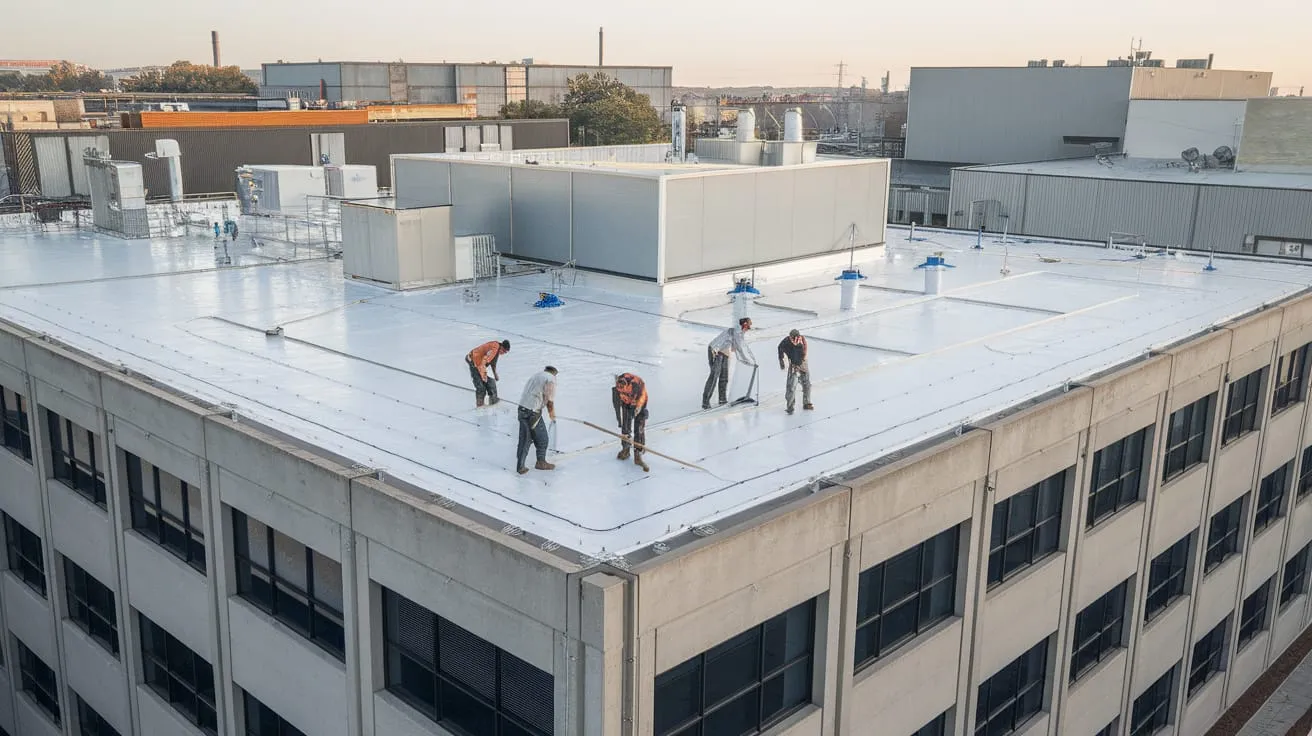
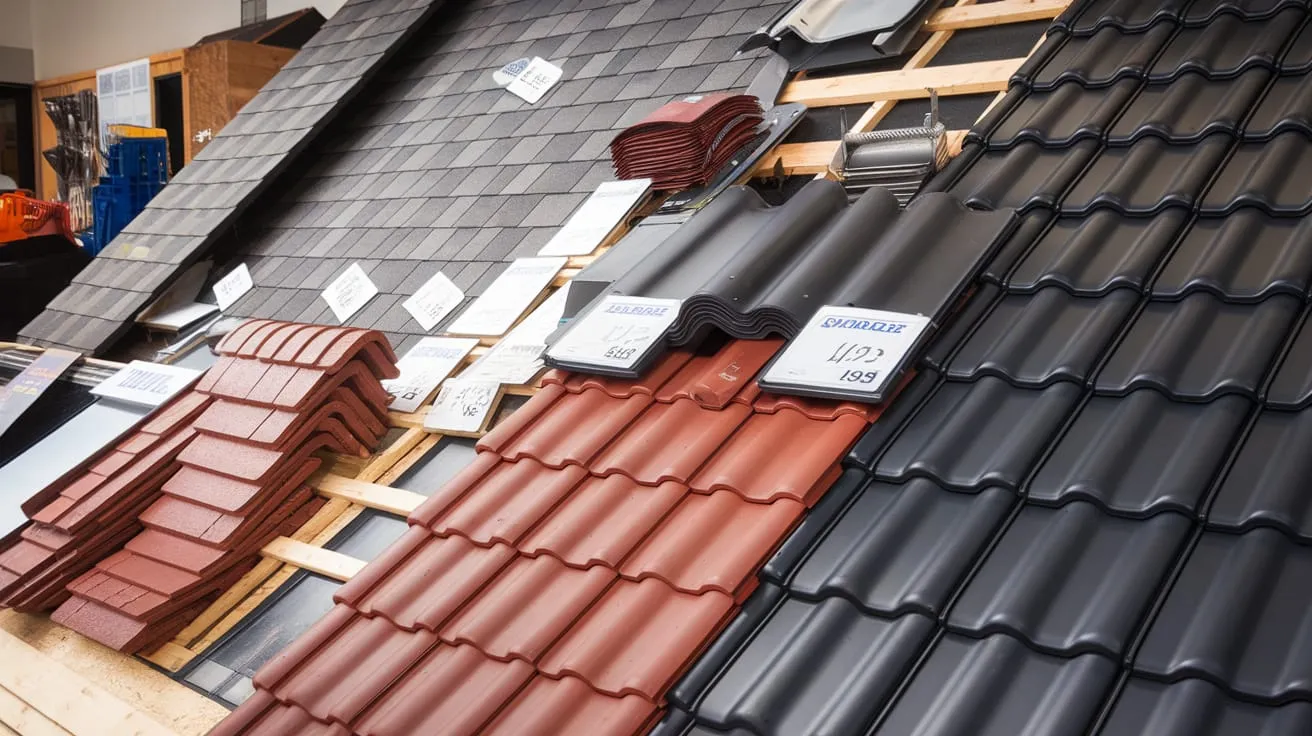
We've been installing flat and low-slope roofs across Contra Costa and Alameda counties since 1988. In that time we've seen every failure mode there is, torched-down seams that were never properly heated, ballast rock that buried a leaking seam for fifteen years, parapet flashings that were caulked instead of counter-flashed, ISO boards sitting directly on wet decking. The good news: every one of those failures is preventable. The bad news: most of them happen because someone skipped a step to save an afternoon.
What Is a Flat Roof, Really
A "flat" roof isn't actually flat. Under California Residential Code, anything with a slope less than 2:12 is classified as low-slope, and that's the category we're talking about. Even a roof that looks dead level to the naked eye has a quarter-inch-per-foot pitch built in, that's the minimum the code requires under CRC R905.11 through R905.14, and it's the minimum we'll install. Anything less, and water sits instead of moving.
The system itself is a stack, not a single layer. From the deck up, you've got insulation (usually polyisocyanurate boards, tapered to create slope), a cover board like DensDeck that protects the foam from foot traffic and fasteners, then the waterproofing membrane itself, TPO, EPDM, PVC, modified bitumen, or a multi-ply built-up system. Each layer has a job. Skip one, and the roof still works, until it doesn't.
When a Flat Roof Makes Sense
Flat roofs aren't a compromise. They're the right answer for a lot of situations.
Room additions. When you push a bedroom out into the side yard and can't tie into the existing pitched roof without a structural nightmare, a low-slope membrane over the addition is the cleanest solution. We see this constantly in West Oakland Victorians where the original house has a steep hip roof and the 1970s addition has a flat section bolted onto the back.
Mid-century modern homes. Berkeley Hills, Kensington, and parts of El Cerrito have entire streets of Eichler-era architecture where the flat roof is the design. You don't put shingles on an Eichler. You replace the original built-up roof with a modern single-ply and keep the house looking right.
Commercial and multi-family. Almost every low-rise commercial building in Emeryville, downtown Walnut Creek, and the Richmond Iron Triangle is flat-roofed. That's not an accident, it's cheaper to build, it gives you a mechanical platform, and it opens up solar real estate.
Garages, carports, and covered patios. You don't need to complicate a 400 sq ft garage roof with valleys and hips. A modified bitumen cap sheet or a small TPO section does the job for a fraction of the cost.
Brands and Product Lines We Install
We're not married to a single manufacturer. The right material depends on the deck, the slope, the exposure, and the budget. That said, here's what we actually keep on the truck.
- Firestone/Holcim — UltraPly TPO and RubberGard EPDM. Firestone got absorbed into Holcim a couple years back, but the product lines are unchanged and the warranty is still solid. RubberGard is the single biggest EPDM product in the country and has been for 40 years.
- GAF Commercial, EverGuard TPO and EverGuard PVC, plus Ruberoid SBS and APP modified bitumen. As a GAF Master Elite contractor, we can put a Golden Pledge warranty on GAF systems that most contractors can't touch.
- Carlisle SynTec, Sure-Weld TPO and Sure-Seal EPDM. Carlisle is the installer's favorite. Their detail accessories are the best in the industry, and their Syntec warranty process is straightforward.
- Johns Manville, JM TPO, JM EPDM, and DynaGlas modified bitumen. JM makes the insulation too, so you can spec a single-source warranty that covers the whole stack.
- Versico — VersiWeld TPO and VersiGard EPDM. Same parent as Carlisle, slightly different pricing.
- Soprema — SOPRALENE SBS modified bitumen. French system, heavy, bulletproof for residential flat decks.
- Henry — Blueskin cap sheets and a full line of coatings and roof cements.
Installation — What Actually Happens
Every flat-roof job we do follows the same sequence. It's not glamorous, but it's the reason the roofs don't leak.
- Tear off to sound decking. If the plywood is wet, swollen, or delaminating, it gets replaced. No exceptions. We don't lay a new membrane over rotted substrate and hope for the best.
- Install insulation. Tapered polyiso boards, mechanically fastened or adhered depending on the deck. We verify the slope with a string line and a level before the next layer goes on.
- Cover board — usually DensDeck Prime or a high-density wood fiber board. This is where a lot of cheap jobs skip a step, and it shows up as punctures five years later.
- Membrane installation. Heat-welded, fully adhered, mechanically attached, or ballasted depending on the system. Every seam gets probed after it cools.
- Flashings. Parapet walls, pipe penetrations, HVAC curbs, drains, scuppers. This is where 90% of flat-roof leaks start, so this is where we slow down.
- Walkway pads at service points so the HVAC tech doesn't puncture the membrane with a ladder leg.
- Flood test (on new construction and warranty work) before signoff.
Code Requirements
California Residential Code covers low-slope roofing in sections R905.11 through R905.14, with each membrane type getting its own subsection. CRC R905.12 is EPDM, R905.13 is TPO, R905.14 is modified bitumen. Every system we install meets ASTM D6878 (TPO), D4637 (EPDM), or D6162/6163/6164 (modified bitumen) depending on the material. Then there's California Title 24, which mandates cool-roof performance on most low-slope roofs, initial solar reflectance of 0.63 or higher for roofs over buildings with air conditioning. White TPO and PVC hit that spec right out of the roll. Black EPDM doesn't, so if Title 24 applies and your engineer won't give you a workaround, EPDM is off the table unless you add a reflective coating.
Fire rating matters too. Any structure near a Wildland Urban Interface zone needs a Class A assembly under Chapter 7A, which affects flat roofs the same way it affects shingles. We detail the assembly accordingly when we're in the hills.
Pricing and Timeline
Flat roofing typically runs $800 to $1,600 per square (a "square" is 100 sq ft) installed, depending on system and access. At the low end you're looking at a mechanically attached 60-mil TPO over existing insulation on an easy-access commercial deck. At the high end you're looking at a fully adhered 80-mil PVC over new tapered polyiso with complex parapet detailing on a Victorian conversion downtown. A typical 2,000 sq ft residential flat section runs $16,000 to $28,000. A 10,000 sq ft commercial roof runs $85,000 to $160,000.
Timeline-wise, a residential flat section is usually 2 to 4 working days. Commercial jobs run a week per 10,000 sq ft, more if we're phasing around tenant operations. Weather delays happen, we don't install membrane in the rain, and we don't torch anything when fire conditions get dicey.
East Bay Cities Where Flat Roofing Works Best
Flat and low-slope systems are the default in a handful of neighborhoods we work in constantly:
- Emeryville, almost entirely commercial flat roofs, mostly TPO and PVC.
- Downtown Walnut Creek and Pleasant Hill — older retail blocks with modified bitumen and BUR systems being replaced with TPO.
- West Oakland and Berkeley. Victorian and craftsman homes with flat additions on the back, usually torch-down or EPDM.
- Richmond Iron Triangle — mix of commercial, industrial, and multi-family, heavy on EPDM and built-up systems.
- Kensington, El Cerrito Hills, and Berkeley Hills — mid-century moderns where the original flat roof is part of the architecture.
We're licensed across all three counties we serve. Contra Costa, Alameda, and Marin — and pull permits in every jurisdiction weekly.
Frequently Asked Questions
Why do flat roofs get a bad reputation?
Because most flat-roof failures come from bad installation and inadequate drainage, not from the materials. A properly sloped low-slope roof with mechanically sound seams and detailed flashings performs for 20 to 30 years. The "flat roofs always leak" myth comes from hiring the wrong crew, not from the category itself.
Which flat roofing system is best for my East Bay home?
It depends on the section size, sun exposure, and whether Title 24 applies. For most residential flat additions under 1,500 sq ft, modified bitumen or EPDM is the practical pick. For anything larger, or anything where cool-roof compliance matters, TPO is our default. PVC is reserved for chemically aggressive environments like restaurant exhaust zones.
How long does a flat roof last?
Modified bitumen lasts 15 to 25 years. TPO lasts 20 to 30. EPDM lasts 25 to 40 if the seams are clean. Built-up roofing runs 20 to 30. These are realistic field numbers, not marketing claims — they assume annual inspection, debris removal, and drain maintenance.
Can I walk on my flat roof?
Yes, carefully. TPO, PVC, and granulated modified bitumen all tolerate foot traffic. EPDM is softer and can scuff. We install walkway pads at HVAC service points and drain locations so the maintenance guy isn't dragging a ladder across the field membrane.
Does Title 24 require a white flat roof?
For most air-conditioned buildings in California, yes. Title 24 requires an initial solar reflectance of at least 0.63 for low-slope roofs. White TPO and PVC meet that spec out of the roll. Black EPDM requires a reflective coating to comply, which usually isn't cost-effective.
Do you pull the permit?
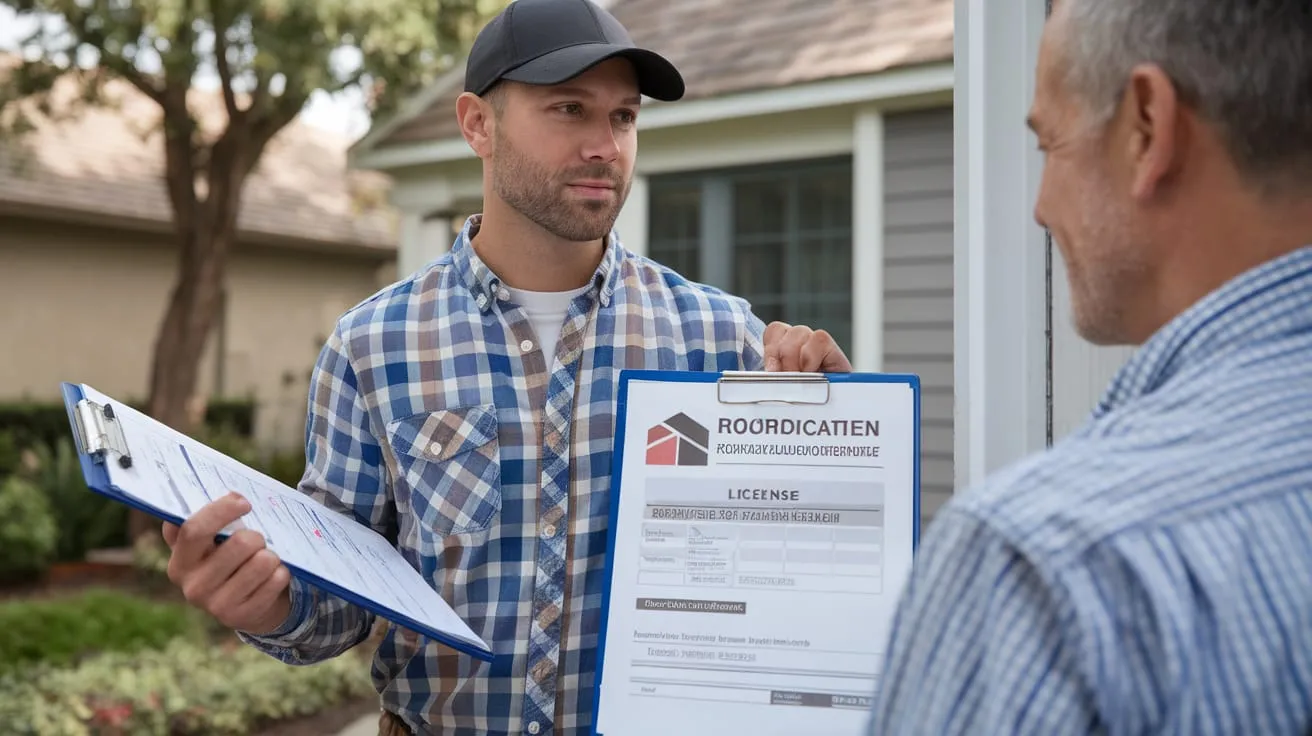
Yes. On every job. CA #987654 C-39 on every application, because it's our license on the line. We've been pulling roofing permits across the East Bay since 1988 and we know which plan checkers to call when something unusual shows up.
Get a Real Flat-Roof Assessment
If you've got a flat section that's leaking, ponding, or just getting old, call East Bay Roofers at (925) 722-4916. We'll come out, look at the existing assembly, tell you what system actually makes sense for your building, and give you a written quote you can compare against anyone else's. No pressure, no upsell, just a contractor who's been doing this since 1988. GAF Master Elite, CertainTeed SELECT ShingleMaster, CA #987654 C-39, 4.9/5 across 527 reviews.
Flat Roofing Costs
Modified Bitumen
Torch-applied or cold-adhered membrane. 20-year warranty. Best for residential flat sections and smaller commercial roofs.
TPO Single-Ply
Heat-welded thermoplastic membrane. Energy-efficient white surface. 25-year warranty. Ideal for larger flat areas.
EPDM Rubber
Synthetic rubber membrane. Extremely durable and flexible. 30-year warranty. Best for irregular shapes and rooftop decks.
Frequently Asked Questions
Why do flat roofs get a bad reputation?
Because most flat roof failures come from poor installation and inadequate drainage, not the materials themselves. A properly designed flat roof with correct slope (minimum 1/4 inch per foot), proper membrane attachment, and sealed seams will perform for decades. The roof isn't truly flat, it's 'low-slope' with engineered drainage.
Which flat roofing material is best?
It depends on the application. TPO is best for energy efficiency and larger commercial areas. EPDM excels at flexibility and longevity. Modified bitumen is ideal for residential flat sections and when torch-down installation is preferred. We'll recommend the right system based on your building, budget, and priorities.
Can I walk on a flat roof?
Yes, with care. TPO and EPDM membranes tolerate foot traffic. For rooftop decks or frequent HVAC access, we install walkway pads to protect the membrane. Never drag sharp objects, set up ladders directly on the membrane, or let contractors from other trades work on your roof without protection.
How do you prevent ponding water on flat roofs?
Through proper design. We create slope using tapered insulation boards (minimum 1/4 inch per foot to drains), install interior or scupper drains at low points, and verify drainage before closing the roof. Ponding water is the #1 cause of flat roof failure, we engineer it out from the start.
Get Your Free Roof Inspection
Call today for a no-obligation estimate from a licensed East Bay roofing contractor.
Call (925) 722-4916Flat Roof Realities
Flat roofs require more maintenance than sloped roofs. Debris doesn't wash off naturally. Drains can clog. Membrane seams can separate over time. Budget for annual inspections and cleaning, it's not optional. If you're comparing flat vs. sloped for a new build, sloped is lower maintenance. But for additions, commercial buildings, and modern architecture, flat roofing done right is absolutely viable.
Related Services
TPO Roofing
Energy-efficient single-ply membrane, our most popular flat roofing choice.
EPDM Roofing
Rubber roofing for maximum flexibility and 30+ year durability.
Torch Down Roofing
Modified bitumen, the proven standard for residential flat roof sections.
We Serve 36+ East Bay Cities
From Concord to Fremont, Oakland to San Ramon — East Bay Roofers covers the entire East Bay.
View All Service Areas