Alamo Winter Roof Prep: Storms, Oaks & Atmospheric Rivers
By East Bay Roofers Team | 2026-03-05
Call (925) 722-4916 — Free EstimateWinter in Alamo doesn't look like winter anywhere else. There's no snow load, no ice dams, no freeze-thaw chewing through the shingles. What we get instead is a handful of atmospheric rivers that dump two or three inches of rain in a day, 40–60 mph gusts funneling through the Las Trampas and Mt. Diablo corridors, and months of saturation that exploits every minor weakness a roof has. A roof that looked fine in October will tell you exactly where its problems are by mid-January if you didn't prepare it.
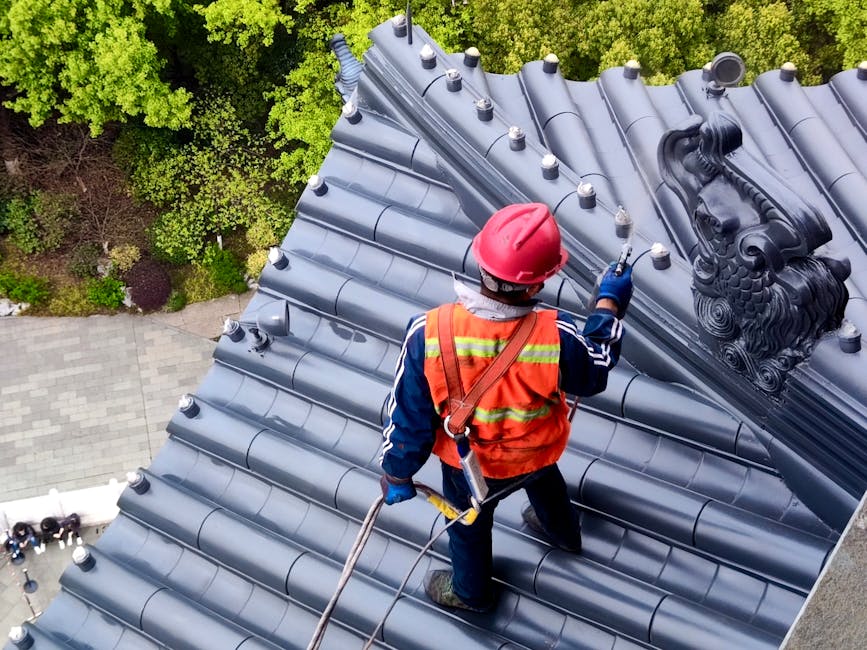
Photo: Pexels
The fall prep window in Alamo is short. Diablo winds start kicking up in September, the first meaningful rain usually arrives between late October and mid-November, and by December the storms are landing back-to-back. If you wait until the first drip in the hallway, you're already a month behind.
Why Alamo Winters Are Harder on Roofs Than People Think
Alamo gets roughly 18–22 inches of rainfall per year, and most of it lands during a handful of concentrated storm events. The atmospheric rivers that come off the Pacific in January and February are what engineers call "firehose" rainfall — sustained high intensity that overwhelms undersized drainage and exposes every clogged gutter, failed flashing, and tired vent boot on the roof.
Add Diablo winds. Those are the dry offshore events in fall that push hot air down from the north and east, gusting hardest along the ridge lines above Stone Valley Road, Roundhill, and properties backing onto Las Trampas Regional Wilderness. They arrive before the rain and soften up any loose shingle or ridge cap, so that when the first storm hits, the things they loosened are already halfway off.
Then there's the thermal cycling. November and December mornings in Alamo regularly start at 35–45°F and climb into the 60s by afternoon. That 20–30 degree daily swing flexes every seam, every sealant bead, and every piece of flashing on the roof. Sealant that was fine in September gets brittle and pulls away by December.
The Pre-Winter Roof Prep Checklist
Here's what we actually do on a fall prep visit, in order of importance.
1. Clear Every Valley, Gutter, and Downspout
This is the single highest-value item on the list and it's the one most homeowners skip because it's tedious. Alamo is full of coast live oak, valley oak, and bay laurel, and every one of them dumps leaves into the valleys and gutters through October and November. A valley packed with wet oak leaves is a dam. Water backs up under the shingles, runs sideways across the underlayment, and finds a nail hole you didn't know existed.
Clear the valleys by hand or with a leaf blower. Flush every gutter run with a hose and watch the downspout discharge — if water backs up at the downspout entrance, you have a clog below the outlet. Bail it out and snake it with a plumber's auger if necessary. Verify that splash blocks or underground discharge lines actually carry water away from the foundation.
2. Inspect and Reseal Every Penetration
Plumbing vent boots are the number one silent leak source in Alamo. The rubber collar around the stack cracks from UV exposure in 8–12 years, and the failure is invisible from the ground. Replace any boot that shows cracking, chalking, or a gap between the rubber and the pipe. It's a $35 part.
Look at every chimney counterflashing. The metal flashing where the step flashing tucks into the brick or stucco — that's where the sealant lives, and it's where sealant fails first. If the bead has pulled away, cracked, or turned chalky, cut it out and replace with a polyurethane or tripolymer sealant rated for exterior masonry. Silicone is not the right product here.
Skylights get the same treatment. Check the curb flashing on all four sides, clear any debris dam on the uphill side, and look for fresh cracking in the sealant bead along the glass-to-frame edge.
3. Walk the Ridge and Re-Nail Loose Caps
Ridge and hip cap shingles are the first things Diablo winds lift off. Walk the ridge and press each cap lightly — if it moves or lifts, the sealant strip has failed. Re-nail with ring-shank roofing nails and dab the nail heads with sealant. A $40 afternoon fix prevents a $900 emergency patch call at 9 PM during the first big storm.
4. Re-Seat Any Slipped Tile
If you have a clay or concrete tile roof — common in Livorna Heights, Roundhill, and the custom homes along Stone Valley Road — walk the roof carefully and re-seat any tiles that have walked out of position from thermal cycling. Missing or cracked tiles get replaced before winter, not during. Tile supply during February is miserable; distributors run out of matching colors fast during storm season.
5. Check the Attic for Existing Moisture Signs
Before the season starts, go into the attic on a dry day and look at the underside of the deck with a flashlight. Fresh stains, rusted nail tips, or damp insulation mean you already have a leak — it just hasn't reached a ceiling yet. Find it now, not in January when the rain is pouring through.
While you're up there, verify ventilation. Blocked soffit vents (often blocked by insulation that got pushed during the last insulation job) cause condensation under the deck all winter. The symptoms look exactly like a roof leak.
6. Trim Overhanging Branches
Any branch within about six feet of the roof is a liability. Diablo wind snaps limbs, atmospheric rivers load them with water weight, and saturated soil lets whole trees go over. Trim before the rain starts. A certified arborist is worth the call on large oaks — don't prune heritage oaks without one, and check Contra Costa County's heritage tree ordinance before cutting anything substantial.
7. Flash Test Any Suspicious Areas
If you had a leak last winter that you "sort of fixed," test it with a garden hose before the real rain comes. Run the hose for ten minutes at low volume uphill of the suspect area and have someone inside watching for the drip. Finding a leak with a hose in October is vastly better than finding it with an atmospheric river in January.
What Actually Fails During Alamo Winters
After decades of Alamo storm calls, the failure pattern is remarkably consistent. Here's what we see every winter:
Vent boot leaks (30% of emergency calls). UV-cracked rubber boots drip into attics for weeks before the homeowner notices. Fix in October, not January.
Chimney flashing failures (20%). Older Alamo brick chimneys, especially on 1960s–1980s homes around Alamo Plaza and Livorna Heights, are the single most common structural leak source. Counterflashing sealant has a ten-year life at best.
Clogged valleys and backed-up gutters (20%). Water goes sideways into places it was never meant to go. Entirely preventable with fall cleaning.
Wind-lifted ridge caps and shingles (15%). Diablo winds strip anything that was already marginal. Walk the ridge before October.
Slipped or broken tile (10%). Usually cosmetic until a storm drives rain up under the adjacent tiles.
Actual shingle field failure (5%). The shingle field is almost never the problem. Penetrations and edges are where leaks start.
When to Call a Professional Before Winter
Call a licensed C-39 contractor for fall prep if any of the following apply: your roof is more than 15 years old, you found active attic moisture, you're in the CAL FIRE Very High Fire Hazard Severity Zone and haven't re-roofed since Chapter 7A took effect, you have a steep or tile roof you're not comfortable walking, or you had any leak last winter that you didn't fully trace.
A professional fall prep visit in Alamo typically runs $300–$650 depending on roof size and access, and includes gutter cleaning, valley clearing, boot inspection and replacement as needed, flashing reseal, and a written report on anything that should be addressed before spring.
Emergency Prep: Before the First Storm Lands
A few things every Alamo homeowner should have on hand before November:
- A 10x20 poly tarp and a roll of 1x2 furring strips. For emergency leak covers. Tarping properly requires furring strips nailed along the top edge to hold the tarp down against wind.
- The phone number of a real roofing company with 24/7 emergency response. The first big storm fills every roofer's voicemail. Know who you're calling before you need them.
- A bucket and towels under any suspect area. If you had a leak last winter and "fixed it," put a catch system under it from December through March just in case.
- Photos of your roof now. Dated pre-storm photos matter enormously if you end up filing an insurance claim.
Frequently Asked Questions
When should I prep my Alamo roof for winter?
Late September through mid-October, before the first meaningful rain and before Diablo winds peak. Clearing gutters, inspecting penetrations, and re-nailing loose ridge caps in October prevents the vast majority of winter emergency calls. Waiting until November means competing with every other Alamo homeowner for contractor scheduling.
How much does professional roof winter prep cost in Alamo?
A full fall prep visit on a typical 2,400–3,200 sq ft Alamo home runs $300–$650, including gutter and valley clearing, penetration inspection, boot replacement if needed, flashing reseal, and a written condition report. Tile roofs and homes with complex access in Roundhill or the Stone Valley hills can run higher.
What causes most winter roof leaks in Alamo?
Cracked plumbing vent boots from summer UV exposure, failed sealant at chimney counterflashing on older brick chimneys, and oak debris backing up valleys and gutters. In combination those three issues account for roughly 70% of the emergency calls we take during Alamo storm season. All three are cheap to fix in October and expensive to fix in January.
Do Diablo winds actually damage roofs in Alamo?
Yes, particularly along the ridge lines above Stone Valley Road, in Roundhill, and on properties backing Las Trampas Regional Wilderness where gusts routinely hit 40–60 mph. Diablo winds lift marginal ridge caps and shingles that were already losing their sealant grip, setting them up to blow off during the first winter storm. Walk your ridge and re-nail loose caps before October.
Should I tarp a leak or call for emergency repair?
If the leak is active and the storm is ongoing, a proper tarp job buys you time until a roofer can get there. Tarps need to be anchored with furring strips along the top edge — loose tarps blow off in minutes. If you're not comfortable on a wet roof, call for emergency service instead. Never walk a wet sloped roof in the dark.
Does homeowners insurance cover winter storm roof damage in Alamo?
Standard California homeowners policies cover sudden storm damage — wind-lifted shingles, branch impact, and similar events. They typically do not cover damage that stems from deferred maintenance, which is why documented annual inspections and dated pre-storm photos matter. Claims often hinge on whether the adjuster believes the failure was sudden or gradual.
Bottom Line
Alamo winters reward preparation and punish deferral. The prep items on this list are boring, cheap, and mostly take one afternoon in October. The alternative is a 9 PM phone call during the first atmospheric river asking if anyone can come out tonight — and the honest answer during a real storm is usually no, not until tomorrow.
If you'd rather have a crew handle the whole fall prep — gutters, valleys, penetrations, ridge caps, sealant — in one visit, that's what we do every September and October in Alamo. Call East Bay Roofers at (925) 722-4916 or book a fall prep visit online. We've been working Alamo roofs since 1988, We're C-39 licensed and we carry 24/7 emergency response through storm season if something does happen.
Related Reading
Have a roofing question? Talk to an East Bay expert — no obligation, just honest advice.
Get Your Free Roof Inspection
Call today for a no-obligation estimate from a licensed East Bay roofing contractor.
Call (925) 722-4916