Best Roofing Materials for Alamo Homes: What Actually
By East Bay Roofers Team | 2026-03-05
Call (925) 722-4916 — Free EstimateThe best roofing material for an Alamo home isn't the one that ranks highest on a national top-ten list. It's the one that matches three specific local conditions: the Mediterranean climate, the fire zone designation (which for much of Alamo means Chapter 7A compliance), and whatever the HOA or architectural review board lets you install. Get any one of those wrong and the "best" material on paper becomes a headache on the roof.
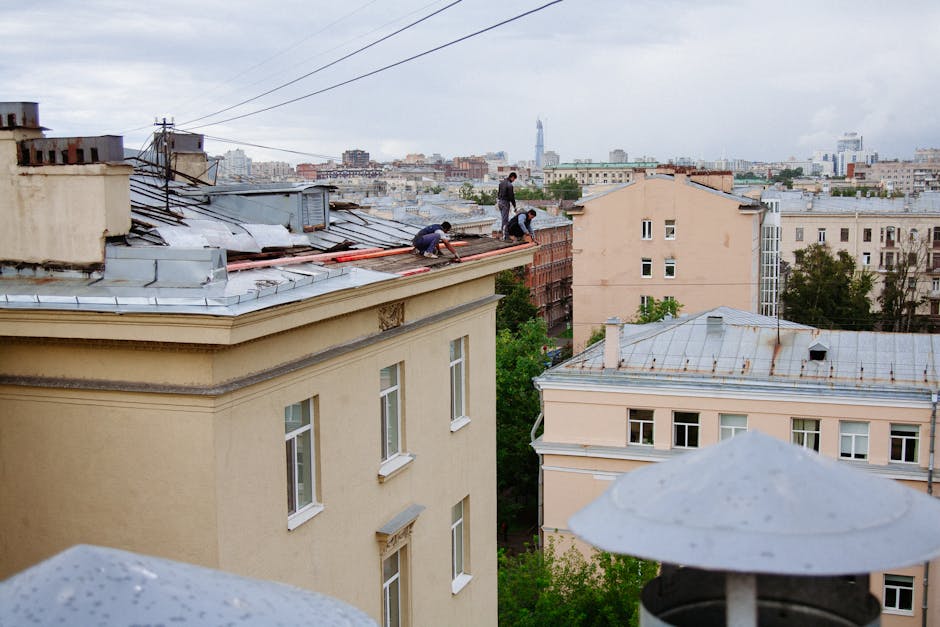
Photo: Pexels
We've installed pretty much everything on pretty much every street in Alamo since 1988. Here's what actually works, organized by the real decisions homeowners face, not by alphabetized product catalogs.
The Three Constraints That Drive Every Alamo Material Decision
Before we talk about specific products, three local factors narrow the choices more than most homeowners realize.
Climate. Alamo is hot, dry, and UV-heavy from May through October, with summer highs regularly 90–100°F. Winter is wet and concentrated — 18–22 inches of rain, mostly in January and February atmospheric rivers. Daily thermal cycling runs 20–30 degrees year-round, with November and December mornings starting at 35–45°F. What this means for materials: UV resistance matters more than cold-weather durability, and anything that relies on flexible sealants gets exercised hard by thermal cycling.
Fire. Large portions of Alamo — most of Roundhill Country Club, Alamo Oaks, the hills above Stone Valley Road, and properties abutting Las Trampas Regional Wilderness — are inside the CAL FIRE Very High Fire Hazard Severity Zone (VHFHSZ). These homes must meet California Building Code Chapter 7A, which requires a Class A fire-rated roofing assembly, ember-resistant vents, and noncombustible gutter protection. This eliminates wood shake entirely and narrows asphalt options to Class A-rated systems. Check your specific address on the CAL FIRE FHSZ viewer before anything else.
HOA and neighborhood character. Roundhill restricts shingle color palettes and requires matching ridge profiles. Several subdivisions around Alamo Plaza and Miranda Highlands require architectural review board approval before a permit is pulled. If you own a Spanish Revival custom home on Livorna Heights, switching from clay tile to architectural shingle is not going to get approved no matter how much money it saves you.
The Housing Stock and What It Already Has
Alamo's housing stock is a mix of 1960s–1970s ranches (especially in Alamo Plaza and along Danville Boulevard), mid-century modern and custom homes in Stone Valley and Alamo Oaks, larger 1980s–2000s homes in Roundhill and Miranda Highlands, and substantial custom estates throughout Livorna Heights and the Stone Valley hills. Each group tends to have a default material:
- 1960s–1970s ranches: Mostly re-roofed onto architectural asphalt shingle at least once by now
- Mid-century modern: Low-slope sections with modified bitumen or TPO over additions and carports
- 1980s–2000s larger homes: Concrete tile was the builder default; many now on their first or second re-roof
- Custom estates: Clay tile, natural slate, or high-end architectural shingle
When you re-roof, the simplest path is staying with the same material type at the same weight — no engineering letter required, no HOA fight, no structural upgrade. When you want to change categories (say, concrete tile to architectural shingle), expect an engineer's letter, an ARB submission, and possibly a structural adjustment.
Asphalt Shingle: The Practical Default
Architectural asphalt shingle is the right answer for most Alamo homes that aren't in a tile-mandated HOA. It's affordable, Class A fire-rated in the right configuration, handles UV and thermal cycling reasonably well, and every crew in the Bay Area knows how to install it. The honest drawback is lifespan — expect 22–28 years in Alamo's UV exposure despite the 30 or 50-year marketing on the wrapper.
What we actually install:
GAF Timberline HDZ. The current workhorse. LayerLock technology for wind resistance, StainGuard Plus for algae, and Class A fire rating when installed as a full system. Our , which is genuinely one of the stronger warranties in the asphalt category.
GAF Timberline HDZ Cool Series (formerly Cool Series). Worth the upgrade on Alamo homes with significant western or southern exposure, especially west-facing slopes in Alamo Plaza and Stone Valley neighborhoods. Reflective granules meaningfully reduce attic temperatures through the summer.
CertainTeed Landmark. Comparable architectural shingle, slightly different color palette, similar warranty profile. A reasonable alternative when HOA color requirements favor CertainTeed's lineup.
CertainTeed Presidential Shake. A premium architectural shingle with a heavier, shake-like profile. Popular in Roundhill and Miranda Highlands where homeowners want the visual weight of a more substantial roof without going to tile.
Owens Corning Duration and Duration Cool. Good product, SureNail strip for wind performance, and the Cool variant is ENERGY STAR-rated. A solid second choice we install regularly.
Malarkey Vista AR. Malarkey's polymer-modified shingles are underrated. The rubberized asphalt handles thermal cycling better than standard asphalt and the algae-resistant granules hold up well in Alamo's shaded oak-heavy neighborhoods.
Budget for architectural shingle on a typical 2,400–3,200 sq ft Alamo home: $14,000–$24,000 installed, depending on access, tear-off scope, and whether structural repairs are needed.
Concrete and Clay Tile: The Long-Game Option
Tile is the right answer for larger Alamo homes where the original roof was tile, where the HOA requires it, or where the homeowner plans to stay in the house for 30+ years. Real-world lifespan in Alamo's climate is 50+ years for the tile itself, though the underlayment beneath it will need replacement at 25–30 years. That underlayment job is the one that surprises people — the tiles come off, the underlayment gets replaced, and the tiles go back on, at a cost not that different from a full shingle re-roof.
Boral clay tile. True clay tile, long lifespan, and the right aesthetic for Spanish and Mediterranean Revival homes in Livorna Heights and the custom pockets along Stone Valley Road. Heavier than concrete — requires structural verification on any home not originally built for clay.
Eagle Roofing concrete tile. The dominant concrete tile in California. Lighter than clay (though still heavier than asphalt), available in a wide range of profiles and colors, and well-supported by local distributors. We install a lot of Eagle in Roundhill, Livorna Heights, and Miranda Highlands.
Tile handles UV, fire, and thermal cycling better than any asphalt product. The real weaknesses are cost (roughly 2x architectural shingle), structural load (older ranch homes usually need framing verification before switching from shingle to tile), and the fact that individual tiles walk out of position over decades of thermal cycling and need periodic re-seating.
Budget for concrete tile on a typical Alamo home: $28,000–$48,000. Clay tile can run higher.
Stone-Coated Steel: Underused in Alamo
Decra stone-coated steel is an option that deserves more attention than it gets. Class A fire-rated in the full assembly, stands up to Diablo winds, handles thermal cycling without fatigue, and comes in profiles that mimic tile or shake convincingly from ground level. Lightweight, so it works as a structural upgrade path for older homes where a heavier material would need framing work. The aesthetic won't clear every HOA board, but for homes with flexible architectural review it's worth considering.
Budget: $24,000–$38,000 installed.
Low-Slope Sections: The Flat Roof Problem
Many Alamo mid-century and ranch homes have low-slope sections over carports, additions, and rear extensions. These can't use shingles or tile — they need a membrane system. The two products we install most:
CertainTeed Flintlastic (modified bitumen). A torch-down or self-adhered SBS system that handles Alamo's temperature swings well and has a reasonable 15–20 year lifespan. Good for separate low-slope sections tied into a steep-slope shingle or tile roof.
TPO single-ply membrane. White reflective surface, cooler attic, and good performance in UV. Slightly shorter real-world lifespan than modified bitumen but lower installation cost on larger low-slope areas.
On any Alamo home with both steep and low-slope sections, the transition detail between the two is the most likely failure point. Whichever contractor you hire should have photos of past transitions they've built, and the underlayment has to run continuously across the transition.
What About Wood Shake?
Wood shake is effectively dead in Alamo. Chapter 7A requirements in the VHFHSZ exclude it, insurance carriers increasingly refuse to cover shake roofs in any California fire zone, and even in the few parts of Alamo that aren't in the VHFHSZ, re-roofing in shake is hard to justify against the insurance and liability picture. If your current roof is shake, the re-roof conversation is about what to replace it with, not how to repair it.
Cool Roof and Title 24 Considerations
California's Title 24 Part 6 has prescriptive cool roof requirements for re-roofs on homes in certain climate zones. Alamo (Climate Zone 12) has specific reflectance and emittance thresholds for steep-slope roofs when you replace more than 50% of the surface. In practice this means the shingle or tile you choose needs to meet the cool roof minimum, or you need to meet the performance path through other measures. Products like GAF Timberline HDZ Cool Series, Owens Corning Duration Cool, and CertainTeed Solaris Platinum are designed specifically to meet these requirements without sacrificing color options. Any legitimate Alamo roofing contractor will factor Title 24 into the specification on day one.
How to Actually Choose
A straightforward decision framework that works for most Alamo homes:
- Check your fire zone first. CAL FIRE FHSZ viewer. If you're in the VHFHSZ, you're committed to a Class A assembly with Chapter 7A compliance. That's the floor.
- Check your HOA or ARB rules. If the neighborhood requires tile, you're installing tile. Don't waste time pricing alternatives.
- Check your existing material. Staying with the same category is easier, cheaper, and faster to permit.
- Then, and only then, optimize. Within the allowed category, pick the best product for your exposure and budget. West and south slopes benefit from cool-rated versions. Heavy oak cover favors algae-resistant shingles.
The biggest waste of homeowner time we see is people shopping material categories they can't actually install because of the fire zone, HOA, or existing structure. Knock out the constraints first, then pick within the survivors.
Frequently Asked Questions
What is the best roofing material for Alamo, California?
For most Alamo homes, architectural asphalt shingle (GAF Timberline HDZ, CertainTeed Landmark, or Owens Corning Duration) in a Class A fire-rated assembly is the right balance of cost, lifespan, and practicality. Homes in tile-required HOAs or with existing tile roofs should stay with Eagle concrete or Boral clay tile. Fire zone and HOA constraints usually decide the material before budget does.
How long does an asphalt shingle roof last in Alamo's climate?
Realistically 22–28 years for premium architectural shingle (GAF HDZ, CertainTeed Landmark, Owens Corning Duration) in Alamo's UV-heavy summers and thermal-cycling winters. The 30 or 50-year numbers on the packaging assume perfect installation, good ventilation, and milder climates. Alamo's UV load shortens real-world lifespan compared to coastal California.
Do I have to install Class A fire-rated roofing in Alamo?
If your property is in the CAL FIRE Very High Fire Hazard Severity Zone — which covers most of Roundhill, Alamo Oaks, properties near Las Trampas Regional Wilderness, and the hills above Stone Valley Road — then California Building Code Chapter 7A requires a Class A fire-rated assembly, ember-resistant vents, and noncombustible gutters. Check your specific address on the CAL FIRE FHSZ viewer before making any material decisions.
Can I switch from asphalt shingle to tile on my Alamo home?
Sometimes, but it usually requires an engineer's letter confirming the existing framing can carry the additional load — concrete tile is roughly 3x the weight of architectural shingle and clay tile is heavier still. Budget $450–$800 for the structural letter, and expect the project cost to roughly double compared to a shingle re-roof. On 1960s–1970s Alamo ranches, framing reinforcement is sometimes required.
Is a cool roof worth it in Alamo?
For homes with significant western or southern exposure — which is most of Alamo — yes. Products like GAF Timberline HDZ Cool Series, Owens Corning Duration Cool, and CertainTeed Solaris Platinum meaningfully reduce attic temperatures through Alamo's 95–100°F summer afternoons, which extends the life of the shingles themselves and reduces cooling load. They also help satisfy Title 24 Part 6 cool roof requirements in Climate Zone 12.
Is wood shake still an option for Alamo roofs?
No, for practical purposes. Most of Alamo is in the CAL FIRE Very High Fire Hazard Severity Zone, which excludes wood shake under Chapter 7A. Insurance carriers in California are increasingly unwilling to cover wood shake roofs at all. If your current roof is shake, the conversation is about what to replace it with — typically architectural shingle, concrete tile, or stone-coated steel.
Bottom Line
There's no single "best" material for Alamo — the right answer depends on your specific address, your fire zone designation, your HOA, and what's already on your roof. For most homes not in a tile-restricted HOA, a Class A-rated architectural shingle from GAF, CertainTeed, Owens Corning, or Malarkey is the practical choice. For tile-mandated neighborhoods and custom estates, Eagle concrete or Boral clay are the real workhorses. Stone-coated steel and high-end cool roof asphalt are both worth considering when constraints permit.
If you want someone to walk your specific roof, check your fire zone, confirm your HOA rules, and give you a straight recommendation on material and cost, that's what we do every day in Alamo. Call East Bay Roofers at (925) 722-4916 or request a free estimate online. We've been re-roofing Alamo homes since 1988, We're C-39 licensed and we carry relationships with every major manufacturer on this list.
Related Reading
Have a roofing question? Talk to an East Bay expert — no obligation, just honest advice.
Get Your Free Roof Inspection
Call today for a no-obligation estimate from a licensed East Bay roofing contractor.
Call (925) 722-4916