Berkeley Roof Replacement Costs in 2025: Hills vs.
By East Bay Roofers Team | 2026-02-08
Call (925) 722-4916 — Free EstimateBerkeley is two different roofing markets stitched together. A 1920s brown shingle Craftsman in the flatlands off University Avenue is a completely different quote than the same square footage in Cragmont or Panoramic Hill, and a 1910 Julia Morgan-era house in Elmwood carries paperwork that a 1970s contemporary in Thousand Oaks doesn't. If you're pricing a re-roof in 94703 versus 94708, you're really pricing two different jobs.
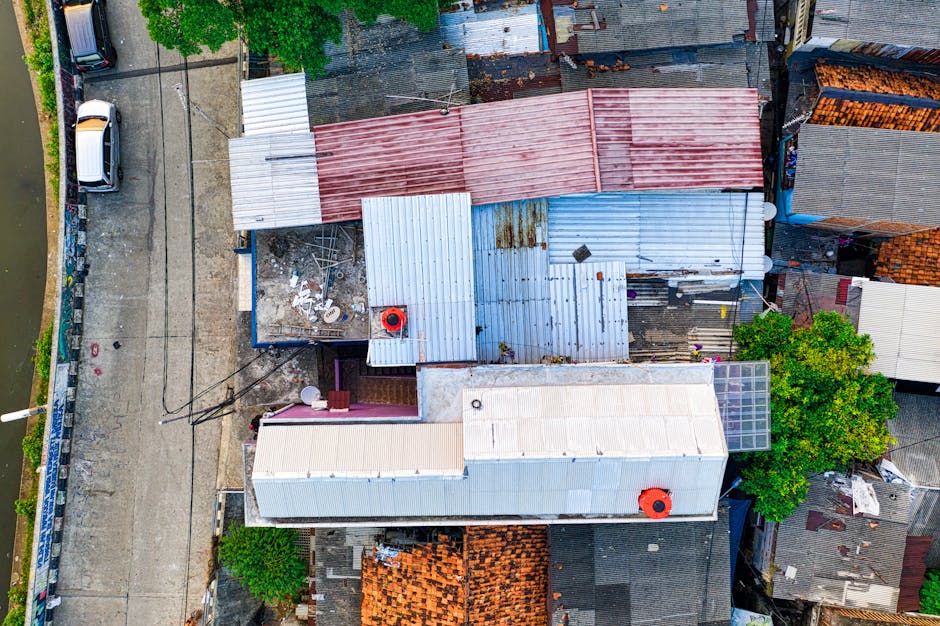
Photo: Pexels
We've been writing Berkeley quotes out of our Concord shop since 1988, and this is the honest 2025 breakdown. What we're charging, what competing C-39 licensed contractors are charging, and the line items that move the number more than most homeowners expect.
How Berkeley Permits and Pricing Actually Work
Berkeley runs its own building department: the City of Berkeley Planning and Development Department at 1947 Center Street downtown. You don't go through Alameda County for residential roofing permits here, unlike unincorporated pockets of the East Bay. Most standard re-roof permits are issued online through the city's Citizen Access portal and come back same day or next business day for straightforward scopes.
Two Berkeley-specific things drive prices that nothing else in the East Bay does: the Very High Fire Hazard Severity Zone that covers most of the hills above the Hayward Fault, and the Landmarks Preservation Ordinance that covers chunks of the flats. One adds material cost. The other adds time, which also adds cost.
2025 Per-Square Pricing in Berkeley
Roofing gets priced by the square, meaning 100 square feet of roof surface, not floor area. Here's what we're quoting and seeing quoted by other licensed shops in 94702-94709 this year.
- Architectural asphalt (GAF Timberline HDZ, CertainTeed Landmark, Malarkey Vista): $550-$950/sq in the flatlands, $750-$1,100/sq in the hills
- Class A cool-roof asphalt (GAF Timberline Cool Series, Owens Corning Duration Cool): $850-$1,300/sq
- Designer asphalt (CertainTeed Presidential Shake, GAF Grand Sequoia): $1,100-$1,500/sq
- Concrete or clay tile: $1,000-$1,600/sq
- Standing seam metal: $1,500-$2,300/sq
- Torch-down or TPO on flat and low-slope sections (common on Berkeley moderns and additions): $700-$1,100/sq
Hills pricing runs 20-35% over flatland pricing on the same roof area. It's not a markup. It's steeper pitch, tighter access off narrow hill streets like Keith Avenue or Park Gate, longer material carries, and the compliance overhead described below.
Three Real Berkeley Scenarios
Scenario 1: Brown shingle Craftsman, 2,100 sq ft, 26 squares, Elmwood
1920s bungalow, 4:12 pitch, simple gable, street access. The kind of house you find all over College Avenue and Ashby. If the property sits inside a Landmarks Preservation Ordinance district, you're looking at a Landmarks Preservation Commission review before any permit gets issued.
- Architectural asphalt: $14,500-$24,500
- Designer asphalt matching the historic profile: $28,000-$39,000
- Clay tile (rare here): $31,000-$48,000
Add $500-$1,200 for LPO paperwork and review fees, plus 2-4 weeks of schedule slip if the review triggers a commission hearing.
Scenario 2: 1960s contemporary, 2,800 sq ft, 34 squares, Thousand Oaks
Low-slope roofing, maybe a torch-down section over a bedroom wing, typical flatland access. Not in a historic district, not in the VHFHSZ.
- Architectural asphalt: $19,000-$32,000
- Premium cool-roof asphalt: $29,000-$44,000
- Standing seam metal: $51,000-$78,000
Scenario 3: Hills custom, 3,600 sq ft, 40 squares, Cragmont or Panoramic Hill
Steep pitch, multiple levels, minimal staging room, inside the CAL FIRE Very High Fire Hazard Severity Zone. This is where Chapter 7A lives.
- Architectural asphalt: $30,000-$44,000
- Concrete tile: $40,000-$64,000
- Standing seam metal: $60,000-$92,000
Add $3,000-$8,000 on top of base pricing for Chapter 7A compliance.
The Chapter 7A Line Item for Berkeley Hills Homes
If your address is uphill from roughly Grizzly Peak Boulevard or anywhere adjacent to Tilden Regional Park, Claremont Canyon, or Panoramic Hill, you're almost certainly inside the VHFHSZ. California Building Code Chapter 7A then kicks in and the permit reviewer at the City of Berkeley will confirm it. That means:
- Class A fire-rated roof assembly, the full system, not just the shingle
- Ember-resistant vents or 1/8" noncombustible mesh over every attic vent
- Noncombustible gutters and ember-proof flashing at eaves, valleys, and every penetration
- Class A rated underlayment, not standard 15-pound felt
On a typical hills roof, we add $3,000-$8,000 for full 7A compliance. One customer near Park Gate last summer came in at the upper end of that because every vent on the house needed replacement and the gutters were combustible plastic from a 1990s remodel. That's not a markup we invented. It's what the inspector at 1947 Center Street will require before they sign off.
Historic Districts: The LPO Review Nobody Warns You About
Berkeley's Landmarks Preservation Ordinance protects designated structures and districts in Northside, Elmwood, parts of Claremont, and scattered properties citywide. If your house is a designated landmark, a Structure of Merit, or inside a historic district, any exterior alteration visible from the public right-of-way (roofs qualify) goes through the Landmarks Preservation Commission.
In practice that means a Certificate of Approval application before the building permit can be issued. We've seen this add 2-4 weeks and $500-$1,200 in review and application fees. The commission typically cares about profile, color, and whether you're matching the historic material. Wood shake to asphalt is a harder conversation than asphalt to asphalt. If you're planning a tile conversion on a Craftsman in Elmwood, we'd check LPO status before spending a dime on design.
Honest opinion: if you're in a historic district and planning to sell within 5 years, we'd skip the tile conversion entirely. The LPO review plus the engineering letter for the weight change plus the premium material cost rarely shows up in resale value.
Line Items That Move Your Final Number
Tear-off and disposal: $150-$350 per square
Older Berkeley homes frequently have two layers already. Wood shake under asphalt is common on anything built before 1980 in the hills. We just replaced a Keith Avenue roof where the crew found cedar shake under two layers of composition. Triple-layer tear-off pushes disposal toward the high end because Alameda County's transfer station rates aren't cheap.
Decking replacement: $95-$160 per sheet
The flatland Craftsmans often have 1x6 skip sheathing instead of plywood, which changes everything if you're moving to a tile or metal roof. Re-sheathing a 26-square Craftsman in OSB or plywood adds $3,500-$6,000 by itself.
Engineering letter for weight change: $500-$900
Switching a wood shake or composition roof to tile on an older Berkeley house almost always requires a structural engineer's letter confirming the framing can carry the load. Skip sheathing plus 1920s rafters rarely pencils without reinforcement.
Chapter 7A compliance: $3,000-$8,000
Covered above. Mandatory in the hills.
Cool Roof compliance
Berkeley's climate action work has pushed cool-roof rated materials into more specifications over the last few years. Our crew found one Cragmont permit last winter kicked back because the initial submittal didn't specify a Class A cool-roof rated shingle color. That's usually a free fix, just specify the right SKU, but it costs a week if it happens at plan check instead of before submittal.
City of Berkeley permit fees: $420-$780
Residential re-roof permit fees are based on valuation. Straight asphalt runs toward the lower end, tile and metal toward the higher end. Plan check is usually included for standard scopes.
Why Berkeley Quotes Run Higher Than Concord or Pleasant Hill
Homeowners occasionally call us after getting a Concord quote from a neighbor and wondering why Berkeley costs more. Three real reasons:
Labor access. Berkeley streets are narrower, parking is worse, and hill streets like Park Gate or Alvarado can only stage one dumpster at a time. That's days of crew time on a complex job.
Chapter 7A applies to more Berkeley roofs than Concord roofs. Most of Concord is flat and outside the VHFHSZ. Half of Berkeley is inside it.
Historic review and older housing stock. A 1918 brown shingle with skip sheathing, three layers of roofing history, and an LPO review is just more work than a 1975 tract ranch.
What We'd Actually Quote a Typical Berkeley Home
If you own a mid-sized Berkeley flatland home, 2,400 to 3,000 sq ft, straightforward access, no historic overlay, a quality architectural asphalt re-roof with , synthetic underlayment, proper tear-off, and all permitting included runs $18,000-$29,000 in 2025. Same home in the hills with Chapter 7A compliance lands at $28,000-$42,000. Concrete tile in the hills pushes toward $42,000-$65,000.
Anything meaningfully cheaper is either skipping the tear-off, using 15-pound felt instead of synthetic, quoting standard vents instead of ember-resistant where they're required, or running on someone's uncle's pickup without workers' comp.
Frequently Asked Questions
How much does a typical roof replacement cost in Berkeley in 2025?
For a mid-sized Berkeley flatland home (2,400-3,000 sq ft), architectural asphalt replacement runs $18,000-$29,000. The same home in the Berkeley Hills runs $28,000-$42,000 because of steeper pitches, harder access, and Chapter 7A wildfire compliance. Tile conversions in the hills can push $42,000-$65,000. Homes inside the Landmarks Preservation Ordinance districts in Elmwood or Northside add $500-$1,200 in review fees and 2-4 weeks of timeline.
Why is a Berkeley Hills roof so much more expensive than a flatland roof?
Three reasons. First, most of the Berkeley Hills (Cragmont, Panoramic Hill, Claremont Hills, Tilden-adjacent streets) sit inside the CAL FIRE Very High Fire Hazard Severity Zone, which triggers California Building Code Chapter 7A and adds $3,000-$8,000 in Class A assembly, ember-resistant vents, and noncombustible gutter requirements. Second, pitches are steeper and access is harder. Third, labor time is longer because staging and material handling on narrow hill streets takes more crew hours.
Do I need special approval to replace my roof in a Berkeley historic district?
If your property is a designated landmark, a Structure of Merit, or inside a historic district (parts of Elmwood, Northside, and Claremont qualify), you need a Certificate of Approval from the City of Berkeley Landmarks Preservation Commission before the building permit can be issued. That process adds 2-4 weeks and $500-$1,200 in review fees. Material and profile changes like converting wood shake to asphalt get more scrutiny than like-for-like replacement.
Does Berkeley require Chapter 7A wildfire compliance on my roof?
Only if your property is inside the CAL FIRE Very High Fire Hazard Severity Zone, which covers most of the Berkeley Hills above Grizzly Peak Boulevard and properties adjacent to Tilden Regional Park, Claremont Canyon, and Panoramic Hill. If you're in the zone, Chapter 7A is mandatory and covers Class A assembly, ember-resistant vents, and noncombustible gutters. The City of Berkeley plan reviewer will flag any submittal that doesn't address it.
How long does a Berkeley roof replacement take from signed contract to final inspection?
A flatland architectural asphalt re-roof runs 2-4 weeks end to end, with the on-site work taking 2-4 days. Hills projects run 3-5 weeks because Chapter 7A plan check takes longer and steep-pitch work is slower. Historic district projects add another 2-4 weeks for the Landmarks Preservation Commission review before the permit can even be pulled.
Is a tile roof worth it on a Berkeley Craftsman?
Honestly, usually not. Most Berkeley Craftsmans were built with 1x6 skip sheathing and framing sized for composition or wood shake. Converting to tile means re-sheathing in plywood, a structural engineer's letter for the weight change, and potentially an LPO review if you're in a historic district. The combined cost rarely pays back in resale value, especially if you're planning to sell within 5 years. Stick with a designer architectural shingle that mimics the historic profile.
Getting a Real Quote for Your Berkeley Home
The ranges above will get you in the ballpark, but every Berkeley roof is its own puzzle. Skip sheathing, historic overlays, hill access, Chapter 7A status, and decking condition are only visible from on top of the house. We write detailed line-item quotes that separate materials, labor, tear-off, Chapter 7A compliance, LPO review fees, and permits so you can compare apples to apples with other bids.
Call East Bay Roofers at (925) 722-4916 for a free on-site assessment, or request a quote online. We're C-39 licensed working out of 2310 Bates Ave in Concord since 1988.
Related Reading
Have a roofing question? Talk to an East Bay expert — no obligation, just honest advice.
Get Your Free Roof Inspection
Call today for a no-obligation estimate from a licensed East Bay roofing contractor.
Call (925) 722-4916