Oakland Winter Roof Prep: Hills vs. Flatlands, Redwood
By East Bay Roofers Team | 2026-02-19
Call (925) 722-4916 — Free EstimateOakland is really two cities when it comes to roofs. The hills get a different winter than the flats, and if you're applying the same prep checklist to a Montclair contemporary and a West Oakland Victorian, you're missing half the problem on both houses.
Montclair and the rest of the Oakland hills pick up more than 30 inches of rain in a typical year. West Oakland and the industrial flats closer to the estuary get barely 18. That's a 12-inch spread across a single ZIP code grid, and it changes what you fix, when you fix it, and which failures you should expect. We've been pulling emergency calls from both sides of Highway 13 since 1988, and the pattern never blurs.
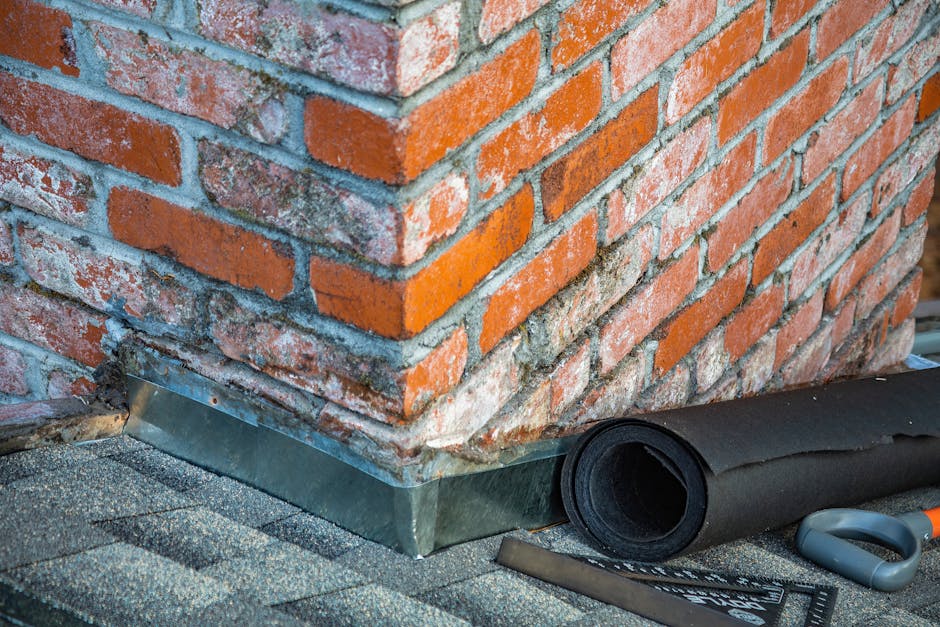
Photo: Pexels
Why Oakland Winters Break Roofs in Two Different Ways
Up in the hills — Montclair, Piedmont Pines, Hiller Highlands, Parkwoods, Oakmore — the winter story is rainfall volume and debris. Redwoods, Monterey pines, and live oaks blanket the neighborhoods, and every one of those trees drops needles and leaves directly into your valleys and gutters during October storms. The Oakland hills are where atmospheric rivers do the most damage because the orographic lift off the ridge squeezes extra rainfall out of every storm that comes in off the Bay.
Down in the flats and closer to the estuary — Rockridge, Temescal, Grand Lake, West Oakland, Fruitvale — rainfall is lower but the housing stock is older. You're looking at flat-roofed Victorians and Craftsman bungalows with TPO, modified bitumen, or ancient built-up roofing systems. The problems there are ponding, seam failures, and drain clogs, not shingle wear.
Here's a specific opinion worth stating plainly: if you live anywhere in Piedmont, Piedmont Pines, or Upper Rockridge under redwood canopy, the single most important thing you can do before November 1 is clean your valleys. Redwood needles drop heaviest in the first rains of the season, they pack into a dense mat that water cannot penetrate, and that mat turns every valley into a dam. One Rockridge customer called us at 11pm during the January 2025 storms because water was coming through a recessed light — the root cause was two inches of compacted redwood duff in a valley we'd warned him about in September.
Hills Prep: What Actually Matters Above Highway 13
1. Valley Cleaning Before November 1
Not optional. Not "when you get to it." This is the single highest-leverage prep item in the Oakland hills. Clear valleys by hand — a leaf blower works for dry debris but not for the compacted needle mats that form after the first damp week. You want to see clean metal or clean shingle from ridge to eave. If you see black stain lines where water has been running over the edge of the valley, your valley flashing is already past due for inspection.
2. The 30-Year Shingles From the 1991 Firestorm Rebuild
This is the hidden time bomb in Hiller Highlands, Parkwoods, and parts of Montclair. After the Tunnel Fire in 1991, thousands of homes got rebuilt with 30-year architectural shingles. Those shingles were installed between 1992 and 1996. They are now 30 to 34 years old. The manufacturer rating has run out, the sealant strips have hardened, and the first serious Diablo wind event will start peeling them. We saw this three times in January 2025 — homes that looked fine from the street but had entire courses of field shingles lifted off during a single gusty night.
If your house was rebuilt after the firestorm and still has the original roof, it's already on borrowed time. Get it inspected before winter and plan for replacement inside the next 18 months.
3. Landslide and Roof Edge Damage
Atmospheric rivers loaded with Pacific moisture occasionally saturate slopes in the Oakland hills until something moves. We've pulled calls where an uphill slope slumped and pushed a retaining wall into the roof edge of the downhill house. You can't prepare for a landslide from a roof contractor's side, but you can get your gutters and downspouts routed cleanly away from the foundation so the ground around your house isn't the part that fails first.
4. Fire Zone Chapter 7A Items
Large chunks of the Oakland hills are inside the CAL FIRE Very High Fire Hazard Severity Zone. That affects winter prep in one specific way: if your roof is 25-plus years old and you're planning replacement in the next year or two, make sure your contractor is pricing a Chapter 7A-compliant assembly (Class A system, ember-resistant vents, noncombustible gutters). Winter prep is a good moment to confirm your existing vents have the 1/8-inch mesh if you're in the VHFHSZ.
Flats Prep: Rockridge, Temescal, Grand Lake, West Oakland
1. Flat Roof Drains and Scuppers
Most flat-roofed Victorians and Craftsmans in these neighborhoods drain through interior drains or wall scuppers. Clear them. A single tennis ball, wad of roofing debris, or mat of leaves will pond three inches of water on a flat roof within a few hours of a real storm. Ponding water finds every micro-seam in TPO and modified bitumen, and a leak that starts at a ponded area spreads sideways for a surprising distance before it shows up on a ceiling.
2. Walk the Seams on TPO and Modified Bitumen
On a dry day, get up there and look at every seam — field seams, penetration flashings, drain edges, parapet transitions. TPO seams that were heat-welded ten years ago are starting to age out. Modified bitumen flashings at parapet walls are the single most common leak point on Oakland flat roofs. Fresh cracking, blistering, or any visible separation needs sealed or patched before the rain.
3. Parapet Coping and Chimney Flashing
On Victorian-era homes around Grand Lake and Rockridge, parapet coping caps often sit on top of brick without proper counterflashing. Water runs behind the coping, into the top of the brick, and eventually shows up as interior plaster damage on the top-floor ceiling. Before winter, verify that coping is seated, sealant joints are intact, and any through-wall flashing is draining outward.
4. Vent Boots and Chimney Counterflashing
Same universal failure points as anywhere — plumbing vent boot rubber cracks from UV in 8 to 12 years, and chimney counterflashing sealant turns brittle after 10. Neither failure is visible from the ground. Last winter we found a vent boot in a Temescal bungalow that had been dripping into the attic for two seasons; the homeowner only noticed when the drywall on a closet ceiling finally let go.
What Actually Fails in Oakland Winters
Our emergency call mix across Oakland during storm season, roughly:
Clogged valleys and gutter overflow in the hills (25%). Redwood and pine debris. Entirely preventable.
Ponding and drain clogs on flat roofs (20%). Concentrated in the flats neighborhoods.
Seam and flashing failures on TPO / modified bitumen (15%). Aging membranes, parapet transitions.
Wind-lifted shingles on post-firestorm roofs (15%). The 30-year shingles from the early-90s rebuild are now past their rated life.
Vent boot and counterflashing leaks (15%). Universal, same as everywhere.
Landslide and slope-edge damage (5%). Rare but catastrophic when it happens.
Actual shingle field failure on newer homes (5%). Almost never the problem.
When to Call a Professional Before Winter
Call a licensed C-39 contractor for fall prep if any of these apply: you have a flat roof older than 12 years, your home was rebuilt after the 1991 firestorm and still has the original roof, you can't safely get into your valleys to clear debris, you had a leak last winter that you didn't fully trace, or you're inside the VHFHSZ and have never had a Chapter 7A compliance check. A professional fall prep in Oakland runs $350 to $750 on pitched roofs and $450 to $900 on flat roofs, depending on size and access.
Before the First Storm Lands
- A 10x20 poly tarp and 1x2 furring strips for emergency leak covers.
- The phone number of an Oakland roofer with real 24/7 emergency response.
- Dated pre-storm photos of every roof face. If you have to file an insurance claim, these photos are worth more than anything else you can document.
- Buckets and towels under any suspect area from last year.
Frequently Asked Questions
When should I prep my Oakland roof for winter?
Valleys cleared before November 1 in the hills. Flat roof drains and scuppers cleared in the same window. Vent boots, counterflashing, and ridge caps inspected in late September through mid-October, before scheduling gets tight with every other Oakland homeowner calling contractors the week after the first real storm.
My house was rebuilt after the 1991 firestorm. Does that matter?
Yes. The 30-year architectural shingles installed on post-firestorm rebuilds between 1992 and 1996 are now at or past their rated life. Sealant strips have hardened, wind resistance is down, and we're seeing active failures during the first serious wind events of every winter. If you haven't re-roofed since the rebuild, get an inspection now and plan replacement inside 18 months.
Why do Oakland hills get more rain than the flatlands?
Orographic lift. Air rising over the East Bay hills cools and squeezes extra moisture out of every Pacific storm. Montclair and Piedmont Pines typically see 28 to 32 inches a year while West Oakland averages closer to 18. The same storm drops measurably more water on your Montclair roof than it does on a Rockridge roof four miles away.
I have a flat roof in Rockridge. What's the biggest winter risk?
Clogged drains and scuppers leading to ponding, followed by seam failures on aging TPO or modified bitumen membranes. Parapet wall flashings are the next most common leak point on Victorians and Craftsmans in Rockridge, Temescal, and Grand Lake. All three are preventable with a fall inspection and membrane patching where needed.
How much does professional roof winter prep cost in Oakland?
Pitched roofs run $350 to $750 for a full fall prep visit. Flat roofs run $450 to $900 because seam inspection and drain clearing take longer. Both include valley or drain clearing, penetration inspection, flashing reseal if needed, and a written condition report. Hillside homes with complex access run at the higher end.
Does insurance cover wind damage to post-firestorm shingles?
Sometimes. Standard policies cover sudden wind damage but often exclude deferred-maintenance failures. If your shingles are past their rated life, adjusters may argue that the failure was gradual. Documented annual inspections and dated pre-storm photos are what tip those arguments in the homeowner's direction. Get both on file before November.
Bottom Line
Oakland's winter problems split cleanly along the Highway 13 line. In the hills it's debris, volume, and aging post-firestorm shingles. In the flats it's ponding, seams, and parapet flashings. A fall prep visit that uses the same checklist for both is going to miss something important on one of them.
If you'd rather have a crew that knows the difference between a Montclair prep and a West Oakland prep handle the whole thing in one visit, that's what we do. Call East Bay Roofers at (925) 722-4916 or book a fall prep visit online. We've been working Oakland roofs since 1988, We're C-39 licensed and we carry 24/7 emergency response through storm season.
Related Reading
Have a roofing question? Talk to an East Bay expert — no obligation, just honest advice.
Get Your Free Roof Inspection
Call today for a no-obligation estimate from a licensed East Bay roofing contractor.
Call (925) 722-4916