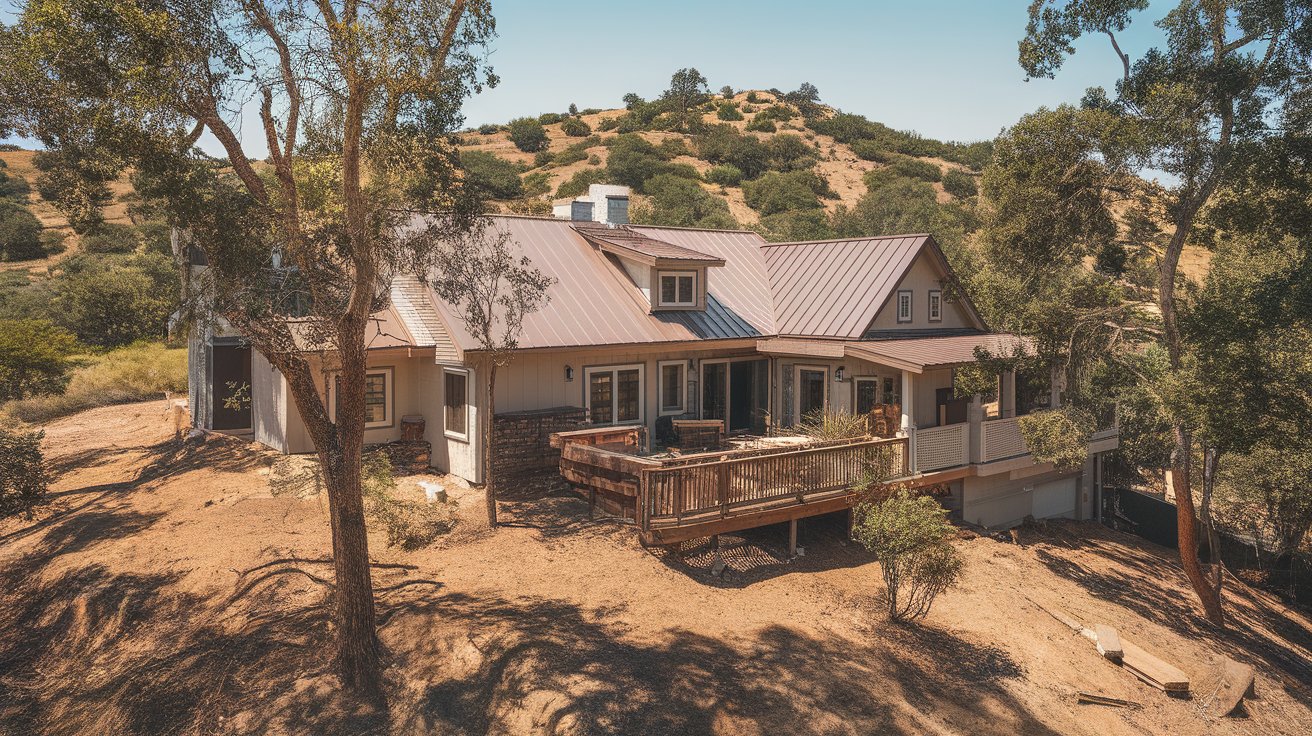
Wildfire ember cast in Contra Costa County creates roof ignition risk from debris accumulation, material fire rating degradation, and penetration gaps allowing attic infiltration. Roofs serve as primary ember landing zones during fire events—90% of structure ignitions result from roof-level ember contact rather than direct flame exposure. We conduct fire season vulnerability assessments evaluating Class A material integrity, valley/gutter debris loads, vent screening adequacy, and vegetation clearance compliance for properties in WUI (Wildland-Urban Interface) zones.
Why Roof Fire Safety Matters in Contra Costa County
Recent fire seasons have shown that embers can travel miles from active fires, making even urban areas vulnerable. Properties in Concord, Walnut Creek, and surrounding communities need fire-resistant roofing systems that meet or exceed California's strict building codes for wildfire protection.
Roof Fire Vulnerability in Contra Costa County
Wildfire ember cast travels miles from active fire fronts, igniting roof debris accumulations and exploiting gaps in roofing material coverage. Contra Costa County's Diablo wind events create ember showers that target roof valleys, eave junctions, and penetration gaps where combustible material collects. Roof fire resistance depends on Class A material rating combined with debris elimination and penetration sealing.
Fire Season Roof Assessment Components
Material Fire Rating and Integrity
Class A fire-rated roofing materials (composition shingles, concrete tile, metal, slate) resist ignition from ember contact when materials remain intact without gaps or damage. Composition shingles lose fire resistance when granule surface erodes, exposing asphalt substrate. Cracked tiles create ember entry points to underlayment and roof deck. We assess material condition and fire rating compliance during pre-season inspections.
Debris Accumulation Patterns
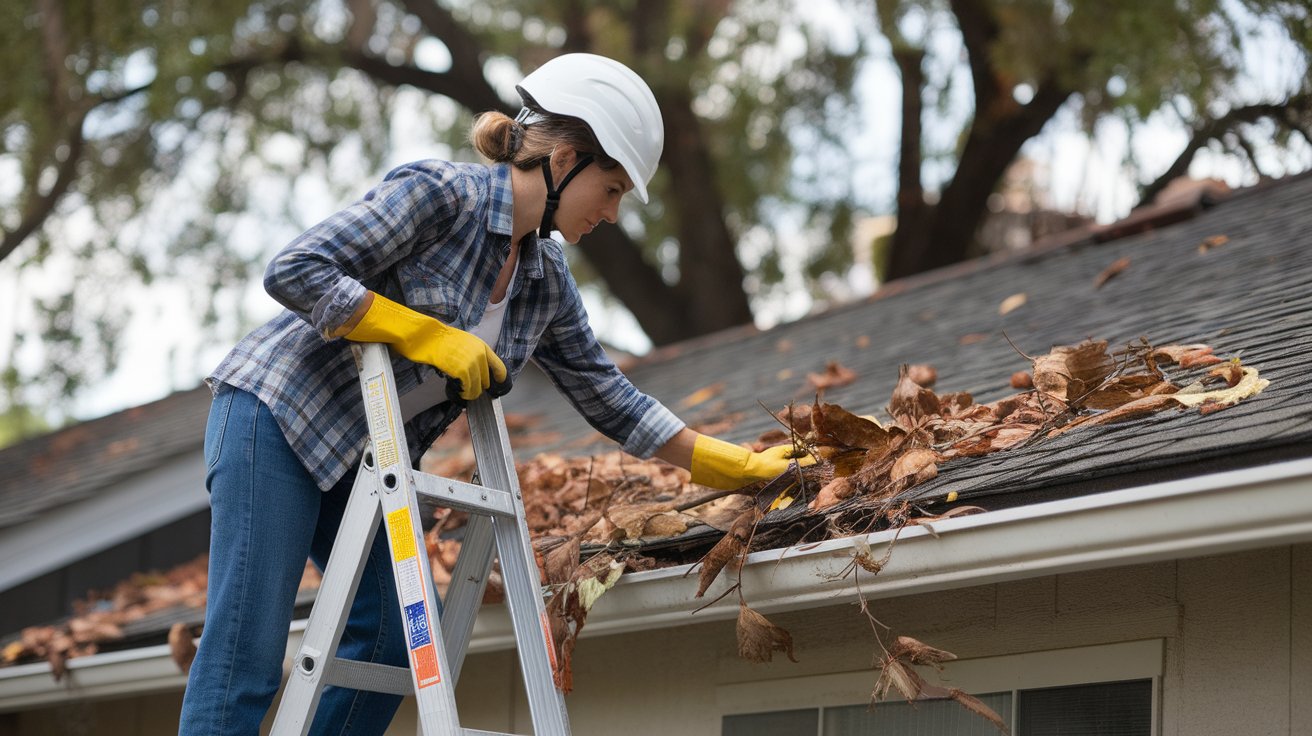
Roof valleys, cricket areas behind chimneys, and eave-wall intersections trap leaves, needles, and organic debris that ignite from ember contact. Weekly debris clearing during fire season prevents combustible material buildup. Properties with overhanging oak or pine trees require more frequent clearing cycles.
Underlayment and Deck Exposure
Fire-rated underlayment (Type 72 base sheet, synthetic underlayment with fire treatment) provides secondary ignition resistance when primary roofing material fails. Broken tiles or missing shingles expose underlayment to direct ember contact. Underlayment degradation from age or UV exposure eliminates fire protection even when surface material remains intact.
Gutter Systems and Fire Risk
Gutters filled with dry leaves and needles create continuous combustible fuel paths along eave lines. Ember ignition in gutters spreads to fascia boards and soffit vents, allowing fire entry to attic spaces. Gutter debris clearing combined with metal mesh gutter guards eliminates this ignition pathway. We recommend bi-weekly gutter inspection during peak fire season months (July-November).
Vegetation Clearance Requirements
Tree branches within 10 feet of roof surfaces drop debris continuously and provide fire ladder pathways from ground fuels to roof level. Oak, pine, and eucalyptus species create high-volume debris loads requiring aggressive clearance programs. Properties in WUI (Wildland-Urban Interface) zones face mandatory clearance enforcement during fire season.
Penetration and Vent Vulnerabilities
Attic vents, plumbing stacks, and skylight gaps allow direct ember entry to building interior when openings lack 1/8-inch mesh screening. Standard vent louvers with larger opening dimensions fail to block ember infiltration. Chimney chase gaps and unsealed skylight curbs create entry points for windborne embers. We evaluate all roof penetrations for ember-resistant detailing compliance.
Eave and Soffit Construction
Open eave construction exposes roof sheathing and rafter tails to direct ember contact. Boxed or enclosed eaves with continuous soffit material eliminate this vulnerability. Soffit vents require ember-resistant screening to prevent attic space ignition. Eave retrofit on homes with open rafter tail construction significantly improves fire resistance.
Age-Related Fire Resistance Degradation
Composition roofs over 15-20 years show granule loss, brittleness, and reduced fire rating performance. Tile underlayment deterioration exposes combustible roof deck despite intact tile surface. Roofs approaching replacement age receive lower priority for expensive retrofit improvements - replacement with current fire-rated materials provides better risk reduction than maintaining degraded existing systems.
Fire-Resistive Roof Replacement vs Retrofit
Properties with roofs approaching replacement age (15+ years for composition, 25+ years for tile underlayment) benefit more from complete replacement with current fire-rated materials than from retrofit improvements to degraded systems. Modern composition shingles carry Class A fire ratings with impact resistance. Metal roofing provides non-combustible coverage with 50+ year service life. We evaluate whether roof condition justifies retrofit investment or whether replacement provides better fire protection and cost-effectiveness.
Contra Costa County Fire Zone Requirements
Properties in designated Very High Fire Hazard Severity Zones (VHFHSZ) must comply with Chapter 7A building code requirements including Class A roof covering, ember-resistant vents, and ignition-resistant construction for all new roofing work. Re-roofing triggers compliance requirements even when existing home pre-dates current codes. We assess code applicability and coordinate inspections for permit-required roof replacement projects in fire hazard zones.
Fire Season Roof Inspection Services
Our pre-season fire safety inspections assess material fire rating compliance, debris accumulation patterns, penetration sealing integrity, and vent screening adequacy. Inspection reports identify specific vulnerabilities with prioritized remediation recommendations and cost estimates for retrofit improvements or replacement. We serve Contra Costa County properties from Concord to Brentwood with fire zone code expertise and Chapter 7A compliance experience.
Properties in VHFHSZ areas benefit from early-season inspection scheduling (April-May) that allows completion of recommended improvements before peak fire season onset. Insurance carriers increasingly require fire mitigation documentation for policy renewal in high-risk areas - our inspection reports satisfy carrier requirements for risk assessment verification.
Call (925) 722-4916 to schedule fire season roof assessment. We provide same-week inspection availability during pre-season months with detailed photo documentation and specific improvement recommendations based on property fire exposure and existing roof condition.
Related Roofing Services
Related Articles
Service Areas
We serve homeowners throughout the East Bay:
Need Professional roofing contractor Services?
Contact East Bay Roofers today for expert roofing contractor services in Concord.
Call (925) 722-4916About East Bay Roofers
East Bay Roofers has served Alameda and Contra Costa Counties since 2008, completing over 5,000 residential and commercial roofing projects. Our GAF Master Elite certification and A+ BBB rating reflect our commitment to quality and customer satisfaction. Contact us at (925) 722-4916 for expert roofing services.
Related Articles
Need Professional Roofing Services?
Get expert advice and free estimates from East Bay's trusted roofing contractor. We serve all of Alameda and Contra Costa Counties with 24/7 emergency service available.