Best Roofing Materials for Oakland: Fog, Hills & Bungalows
By East Bay Roofers Team | 2026-02-08
Call (925) 722-4916 — Free EstimateYou can't give Oakland homeowners one material recommendation. The city has two completely different climates — fog belt below the 580, heat belt and wildfire exposure above it — and a housing stock that ranges from 1880s Victorians in West Oakland to Craftsman bungalows in Temescal to post-fire modernism in Hiller Highlands. Each of those combinations pushes the answer in a different direction, and getting it wrong costs real money.
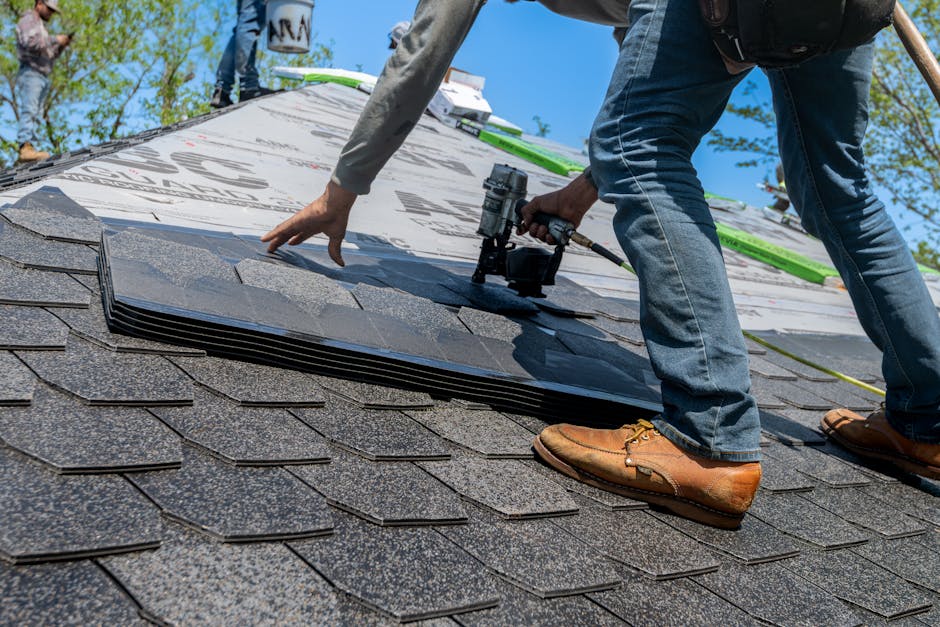
Photo: Pexels
I've been re-roofing in Oakland since the late 1990s and East Bay Roofers has been working the city since 1988. This guide walks through the material decisions by neighborhood, by climate, and by what's actually on the house today. No alphabetized product catalog. No pretending that one shingle fits every roof.
The Two Oakland Climates
Oakland is effectively two cities when it comes to roofing. Knowing which one your house sits in determines a lot of the material conversation before anyone talks about budget.
Fog belt. Rockridge, Temescal, Piedmont Avenue, West Oakland, parts of the Dimond and Laurel — below the 580 freeway and out toward the bay. Morning marine layer, cool summers, persistent moisture, and more algae and moss than most homeowners expect. The UV load is lower than the hills, but the damp load is real. Light-colored shingles fade faster here than they do in the hills because the UV that does break through the fog concentrates on reflective surfaces, and the constant moisture encourages granule loss.
Heat belt. Montclair, the Oakland Hills above the 580, Crestmont, Hiller Highlands, Skyline, Parkwoods. Above the fog line, sun all day, summer highs into the 90s, and — this is the critical part — inside the CAL FIRE Very High Fire Hazard Severity Zone for most of the zip code. This is Chapter 7A territory, which I'll get to in a minute, and it rules out several material categories entirely.
A few neighborhoods sit right on the line. Upper Rockridge, the top of Temescal, and parts of Crocker Highlands straddle the fog boundary and behave like heat-belt homes in summer and fog-belt homes in winter. When in doubt, check your address on the CAL FIRE FHSZ viewer — the fire zone designation tells you which climate the county treats you as.
The Housing Stock Matters More Than You Think
Oakland has more architectural variety than almost any East Bay city. Each style has a default roof, and re-roofing against that default is usually more expensive and often runs into historic or aesthetic objections:
- Craftsman bungalows (Temescal, Piedmont Avenue, parts of Rockridge). Originally wood shake, universally re-roofed to composition shingle by now. Architectural asphalt is the right answer for most of these homes.
- Victorians and Italianates (West Oakland, Adams Point, parts of Pill Hill). Many have flat or very low-slope sections over additions, bays, and rear extensions. These need membrane roofing over the low-slope areas and composition over any steep-slope sections. The transitions are where these roofs fail.
- Mediterranean and Spanish Revival (Crocker Highlands, Trestle Glen, pockets of Piedmont Avenue). Clay or concrete tile is original on most of these. Staying with tile is the right answer.
- Mid-century modern (Montclair, Sequoyah Hills, the Ridgemont area). Low-slope and flat-dominant architecture. Single-ply membrane or modified bitumen.
- Post-firestorm construction (Hiller Highlands, upper Montclair, Parkwoods, Forestland). Built after 1991 under newer fire codes, mostly with concrete tile, metal, or Class A-rated composition from the start. Re-roofs tend to stay in the same category.
Chapter 7A and the 1991 Firestorm Legacy
The 1991 Tunnel Fire reshaped how Oakland treats roofing in the hills, and the rules got stricter again after the 2017 North Bay fires. Today, most of Oakland above the 580 — Montclair, Crestmont, Parkwoods, Skyline, Hiller Highlands, Forestland, much of the Ridgemont area — sits inside the VHFHSZ and is subject to California Building Code Chapter 7A.
What Chapter 7A means in practice:
- Class A fire-rated roofing assembly required. Not Class A shingle alone — the full assembly including underlayment, deck, and edge details.
- Ember-resistant vents or 1/8 inch noncombustible mesh over ridge and eave vents.
- Noncombustible gutters or ember-rated gutter guards.
- Wood shake prohibited. Flatly. No exceptions.
- Flashing details at valleys, eaves, and penetrations inspected for ember entry paths.
This eliminates wood shake entirely in the hills, narrows asphalt to Class A-rated systems, and pushes a lot of Oakland hill homes toward tile, metal, or stone-coated steel. Oakland's building department takes Chapter 7A seriously at inspection. I've watched inspectors walk the roof with a measuring tape checking vent mesh before signing off.
Architectural Asphalt Shingle: The Fog Belt Default
For Oakland's fog-belt neighborhoods — Rockridge, Temescal, Piedmont Avenue, the Dimond, West Oakland single-family — architectural asphalt shingle with algae-resistant granules is the practical default. It's the right cost, the right lifespan for the climate, and the right aesthetic for the Craftsman and bungalow housing stock that dominates these areas.
What we actually install:
GAF Timberline HDZ with StainGuard Plus. The StainGuard Plus variant has copper-granule algae protection, which is worth every penny in Oakland's fog belt. Standard shingles develop black algae streaks within 5 to 7 years under oak cover. StainGuard extends that meaningfully. Our.
CertainTeed Landmark Algae Resistant. Similar product category with a slightly different color palette. Also has an algae-resistance warranty component. A reasonable alternative when the homeowner or architectural context favors CertainTeed.
Owens Corning Duration Algae Resistant. SureNail technology for wind, StreakGuard for algae, and ENERGY STAR rating on the Cool variants. Solid third choice.
Realistic lifespan for architectural asphalt in Oakland's fog belt: 22 to 28 years. The manufacturer warranty says more; the granule loss from constant moisture shortens real-world service. Budget $14,000 to $24,000 installed on a typical 1,800 to 2,400 square foot Oakland bungalow, depending on tear-off scope, access, and any structural repair.
Tile and Class A Assemblies: The Oakland Hills Answer
For Chapter 7A homes in Montclair, Skyline, Parkwoods, Crestmont, and the surrounding hill neighborhoods, you're committed to a Class A assembly. Within that constraint, the strongest options are:
Boral concrete tile (now Westlake Royal). Inherently Class A, long lifespan (50+ years on the tile itself, 25 to 30 on the underlayment beneath), and the right aesthetic for Mediterranean-adjacent architecture. Heavy — requires structural verification on older homes not originally built for tile. Budget $28,000 to $48,000 installed.
Eagle Roofing concrete tile. The dominant California concrete tile manufacturer. Multiple profiles including low-profile options that work on pitches where traditional S-tile would look wrong. We install Eagle's Malibu profile frequently in upper Montclair and Hiller Highlands.
Decra stone-coated steel. This is the underused Chapter 7A answer. Class A in the full assembly, convincingly mimics tile or shake from ground level, lightweight (works as an upgrade path for older homes that can't carry tile weight), and handles Diablo winds that occasionally rake the ridgeline. Budget $24,000 to $38,000 installed.
Standing seam metal (Pac-Clad, MBCI, local fabricators). Class A non-combustible, modern aesthetic that suits post-firestorm construction in Hiller Highlands and Forestland, 40 to 60 year lifespan. Higher cost than asphalt but comparable to tile over the lifetime. Budget $28,000 to $45,000 installed.
Class A-rated architectural shingle. Yes, you can still install asphalt in Chapter 7A — it just needs to be the Class A-rated assembly version. GAF Timberline HDZ with the right underlayment and edge metal qualifies. The budget-friendly choice when tile or metal is out of reach, though the lifespan advantage of tile makes it the better long-term value on a forever home.
Flat-Roof Victorians and Low-Slope Sections
West Oakland and Adams Point Victorians frequently have flat or near-flat sections — rear additions, bays, porches, and the flat primary roofs of Italianates. These need a membrane system. Asphalt shingles fail at low slopes because they rely on gravity to shed water.
CertainTeed Flintlastic (modified bitumen). Torch-down or self-adhered SBS system. Handles Oakland's thermal range, 15 to 20 year real-world lifespan, and adequate for small low-slope sections tied into a steep-slope shingle roof. This is what I install most often on the Victorian housing stock in West Oakland and Pill Hill.
TPO single-ply membrane. White reflective surface, cool roof performance, good UV handling in the fog belt. Slightly shorter real-world lifespan than modified bitumen but lower installation cost on larger flat sections. Good choice for the primary flat roof on an Italianate or for the mid-century flat-dominant houses in Sequoyah Hills and Ridgemont.
Rolled asphalt roofing. Budget option. Adequate for small sections on rental properties or outbuildings. Not what I'd put on a primary residence where longevity matters.
On any Oakland home with both steep and flat sections — and there are many — the transition detail between the two is the most common failure point. Any contractor you hire should have photos of past transitions they've built. The underlayment has to run continuously across the joint.
The Specific Fog Belt UV Problem
Here's something counterintuitive: light-colored shingles fade faster in Oakland's fog belt than in the hills. The reason is diffuse UV. When the marine layer is present, UV scatters and concentrates on reflective surfaces in a way direct sunlight doesn't. White and light gray shingles in Rockridge and Temescal can look chalky in 8 to 10 years while the same shingle in Walnut Creek holds color for 15.
Practical takeaway: in the fog belt, medium and darker tones (weathered wood, driftwood, dark gray, slate) hold up visually better over time. This is the opposite of the heat-belt recommendation, where lighter colors reduce cooling load. Both recommendations are climate-correct for their respective zones.
Historic West Oakland: A Quick Word
Parts of West Oakland — particularly around Prescott, Oak Center, and the area west of Market — have historic designation either through the City of Oakland Landmark Preservation Advisory Board or through the National Register for individual structures. Contributing Victorian and Edwardian homes trigger additional review on exterior work that affects historic character. Roofing material changes can fall under that review.
In practice, composition shingle replacements rarely trigger objections because the original wood shake is no longer legal. Color choices matter more, and profile matters (heavy dimensional shingles can look wrong on a lighter Victorian line). If you're in a historic district, add a week or two to the project timeline for pre-application conversation with Oakland planning staff.
Frequently Asked Questions
What is the best roofing material for Oakland homes?
It depends on your neighborhood. Fog belt homes in Rockridge, Temescal, and West Oakland usually do best on architectural asphalt shingle with algae-resistant granules (GAF Timberline HDZ StainGuard Plus, CertainTeed Landmark AR, Owens Corning Duration AR). Hill homes in Montclair, Skyline, and Parkwoods require a Class A fire-rated assembly under Chapter 7A — concrete tile, stone-coated steel, standing seam metal, or Class A-rated architectural shingle. Flat-roofed Victorians need modified bitumen or TPO.
Is wood shake allowed on Oakland hill homes?
No. California Building Code Chapter 7A prohibits wood shake in the Very High Fire Hazard Severity Zone, which covers most of Oakland above the 580 freeway including Montclair, Skyline, Parkwoods, Hiller Highlands, and Crestmont. After the 1991 Tunnel Fire, wood shake became effectively dead in these neighborhoods. Replacements typically go to concrete tile, stone-coated steel, standing seam metal, or Class A-rated composition shingle.
How long do asphalt shingle roofs last in Oakland's fog belt?
Realistically 22 to 28 years for premium architectural shingle with algae-resistant granules. Oakland's fog belt exposes shingles to constant moisture that accelerates granule loss and encourages algae growth, so the 30 or 50-year numbers on the packaging are marketing estimates under ideal conditions. StainGuard Plus (GAF) and similar algae-resistance warranties genuinely extend real-world performance and are worth specifying in Rockridge, Temescal, Piedmont Avenue, and similar fog-influenced neighborhoods.
Do I need a Class A roof in Montclair?
Yes, almost certainly. Most of Montclair is inside the CAL FIRE Very High Fire Hazard Severity Zone, which requires a Class A fire-rated roofing assembly under California Building Code Chapter 7A. That includes ember-resistant vents, noncombustible gutters, and specific flashing details. Check your exact address on the CAL FIRE FHSZ viewer. The Oakland building department takes Chapter 7A seriously at inspection in the hills.
What's the best flat-roof material for a West Oakland Victorian?
Modified bitumen (CertainTeed Flintlastic) is the most common choice for flat or low-slope sections on Victorians and Italianates. It handles thermal cycling well, lasts 15 to 20 years, and ties cleanly into adjacent steep-slope shingle roofs. TPO single-ply is a good alternative on larger flat primary roofs where cool-roof performance matters. The failure point on most Victorian roofs is the transition between flat and steep sections, so the quality of that flashing detail matters more than the membrane itself.
Are light-colored shingles better in Oakland?
Not always. In the Oakland hills (heat belt), lighter cool-rated shingles reduce cooling load and make sense. In the fog belt (Rockridge, Temescal, West Oakland), diffuse UV through the marine layer fades light colors faster than the hills, so medium and darker earth tones hold up visually better. Counterintuitive, but consistent with what we see on 10 to 15 year old roofs across the city.
Bottom Line for Oakland Homeowners
There's no single best material for Oakl. Your neighborhood, your fire zone designation, your architecture, and what's currently on the roof all shape the answer. For most fog-belt single-family homes, a quality architectural shingle with algae-resistant granules is the practical choice and runs $14,000 to $24,000 installed. For Chapter 7A hill homes, you're picking between tile, stone-coated steel, standing seam metal, or Class A-rated composition, with costs ranging from $22,000 to $48,000 depending on material and access. For Victorian flat-roof sections, modified bitumen or TPO.
If you want someone to walk your specific roof, check your fire zone, and give you a straight recommendation on material and cost with no upsell, that's what we do. East Bay Roofers has been re-roofing Oakland since 1988. We're C-39 licensed and carry from Oakland and East Bay homeowners.
Call (925) 722-4916 or request a free estimate online. We'll assess your specific situation and give you honest options.
Related Reading
Have a roofing question? Talk to an East Bay expert — no obligation, just honest advice.
Get Your Free Roof Inspection
Call today for a no-obligation estimate from a licensed East Bay roofing contractor.
Call (925) 722-4916